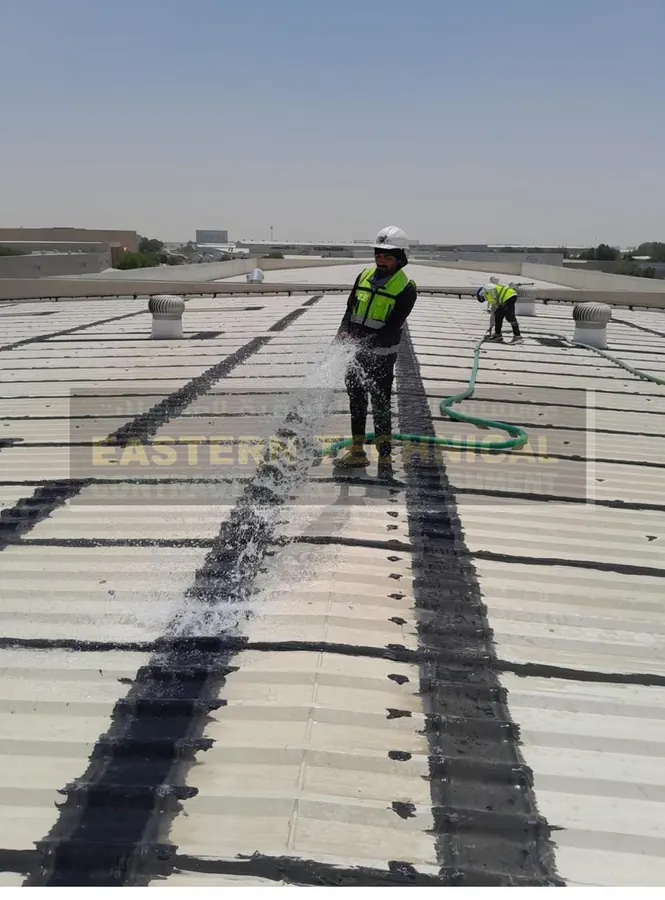
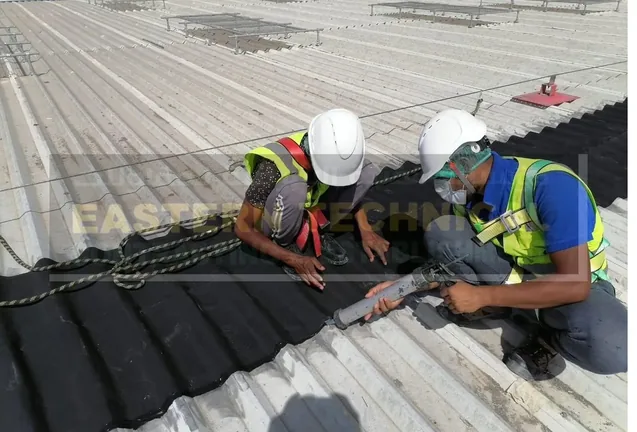
A leak over a warehouse aisle rarely starts as a dramatic failure. More often, it begins at a fastener line, a panel lap, a curb, a skylight edge, or a gutter transition that has been taking heat, movement, and moisture for years. That is where a metal roof rehabilitation contractor becomes critical – not when the roof is already beyond recovery, but when the asset still has usable life and the right intervention can stop escalation.
For industrial and commercial buildings, roof rehabilitation is not a cosmetic decision. It is an operational one. Water ingress affects stock, equipment, insulation, electrical systems, internal finishes, and production continuity. If the building is active, every delay in diagnosis increases the chance that a localized defect turns into corrosion, substrate damage, interior disruption, and a more expensive shutdown.
What a metal roof rehabilitation contractor actually does
A qualified metal roof rehabilitation contractor does more than apply sealant over visible leaks. The job starts with finding the true failure path. On aging metal roofs, water often enters at one point and appears somewhere else entirely. A contractor with real field experience will inspect panel joints, screw lines, ridge details, end laps, roof penetrations, flashings, gutters, downpipe connections, parapet interfaces, and transitions around skylights and vents.
That inspection should lead to a scope based on condition, not guesswork. Some roofs need fastener replacement and targeted sealing. Others need panel repair, rust treatment, reinforcement at weak details, waterproofing at penetrations, gutter rehabilitation, or a broader membrane-based system over high-risk areas. The difference matters because over-scoping wastes capital, while under-scoping leaves the building exposed and guarantees repeat callouts.
In industrial environments, rehabilitation also has to respect site realities. Access constraints, live operations, safety controls, heat exposure, and production schedules all affect execution. A contractor that understands active facilities will build the method around minimizing disruption while still addressing the full defect chain.
Why rehabilitation is often the better decision
Full roof replacement has its place, but it is not always the first answer. Many metal roofs fail at details long before the entire system has reached the end of its service life. If the primary panels and structure are still largely sound, rehabilitation can restore weather resistance, reduce leakage risk, and extend performance without the cost and disruption of complete replacement.
This is especially relevant for warehouses, sheds, factories, and logistics buildings with large roof areas. Replacing the whole roof can mean major downtime, procurement complexity, disposal costs, and extended exposure during works. Rehabilitation is often faster, more targeted, and easier to phase.
That said, not every roof is a rehabilitation candidate. If corrosion is widespread, structural members are compromised, panel integrity is lost across large areas, or previous repair layers have created trapped moisture and unstable substrates, replacement may be the more responsible route. A credible contractor will say that plainly. You want a contractor who can protect your budget, not one who forces every roof into the same service package.
The failure points that separate real contractors from patch teams
A lot of roof problems are easy to see. Far fewer are easy to solve well. The difference usually comes down to how the contractor handles movement, compatibility, and detail work.
Metal roofs expand and contract constantly. Any rehabilitation approach that ignores movement will crack, split, or detach. This is why detail treatment at laps, penetrations, curbs, and junctions is so important. The material used at these points must bond properly, tolerate movement, resist UV exposure, and hold up under ponding risk where applicable.
Fasteners are another common issue. Backed-out screws, degraded washers, and poorly seated replacements create recurring entry points. Simply tightening old fasteners is rarely enough if the surrounding material has deteriorated. The same applies to rusted panels. Surface corrosion may be manageable, but advanced metal loss requires a more serious repair strategy.
Drainage components are often overlooked. Gutters, valleys, downpipe outlets, and roof edge details carry the highest water load, and many leaks originate there rather than in the open field of the roof. A contractor focused only on panels may miss the actual source of repeated water ingress.
What to look for in a metal roof rehabilitation contractor
The first thing to look for is diagnostic strength. A reliable contractor should be able to inspect the roof, document defects, explain likely water paths, and prioritize repairs based on risk. If the conversation jumps straight to coating the entire roof without a condition-based assessment, that is a warning sign.
Execution capability matters just as much. Industrial roof rehabilitation often overlaps with waterproofing, sheet metal works, minor fabrication, drainage repairs, and protective treatment of corroded areas. A contractor with broader technical coverage can solve connected issues in one scope instead of leaving gaps between trades.
You should also ask how they handle difficult details. Penetrations, skylights, smoke vents, curbs, gutters, and dissimilar material junctions are where many rehabilitation systems succeed or fail. Contractors with experience in EPDM-based waterproofing and detail treatment are usually better equipped for these problem areas because they are used to working at leak-prone transitions rather than only on open surfaces.
Speed and reporting are also part of contractor quality. Facility teams need practical answers fast. A contractor should be able to inspect, issue a clear report, define the repair sequence, and mobilize with the right crew and materials. ETCE KSA is built around that model – inspection, diagnosis, engineered scope, installation, and ongoing support under one contractor relationship.
Why single-source delivery makes a difference
Metal roof rehabilitation is rarely isolated from the rest of the building envelope. A roof leak may involve failed guttering, damaged flashing, deteriorated penetrations, corroded supports, or adjacent waterproofing defects. If separate vendors are handling each piece, accountability gets blurred quickly.
A single-source contractor reduces that risk. When one team can inspect, fabricate, repair, waterproof, and maintain, the scope becomes coordinated from the start. That means fewer site delays, fewer interface disputes, and a better chance of fixing the problem once rather than revisiting it section by section.
For industrial owners and operators, this matters because downtime has a cost. The more fragmented the work, the harder it becomes to control schedules, safety, and quality across an active facility. A contractor with in-house breadth can move faster and make decisions in the field without waiting on multiple subcontract chains.
Questions worth asking before you award the job
Ask how the contractor determines whether rehabilitation is viable or whether replacement is the better option. Ask what detail areas they inspect first and how they verify hidden failure paths. Ask what materials they use at moving joints, penetrations, and gutters, and whether those materials are compatible with the existing roof condition.
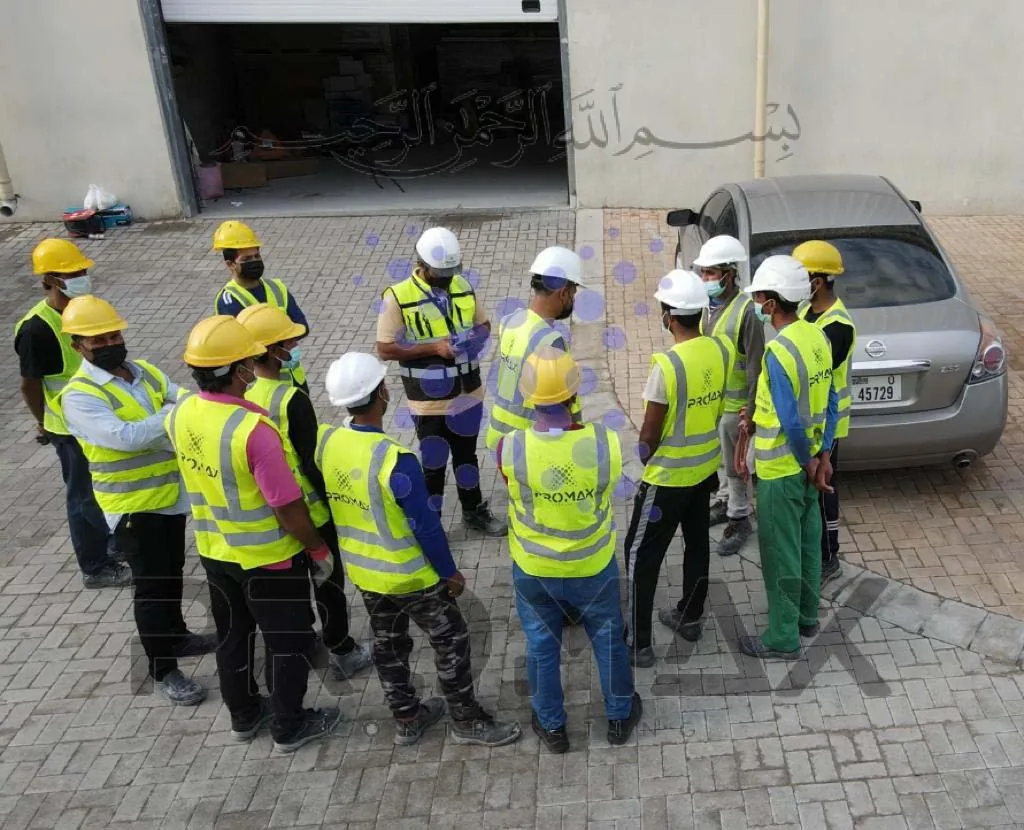
You should also ask about crew experience in live industrial settings. Roof work over active operations is not standard retail construction. Access planning, safety controls, weather timing, and work sequencing all need to be handled with discipline.
Finally, ask what happens after the repair. A serious contractor does not disappear once the leak stops. Ongoing inspection, maintenance support, and fast response for emerging defects are part of protecting the life of the rehabilitation work.
The result you should expect
The right contractor should leave you with more than a repaired leak. You should end up with a roof system that is better understood, higher-risk details that are properly addressed, and a clearer maintenance path going forward. That is what turns rehabilitation from a temporary fix into a capital-preserving strategy.
If you manage industrial property, the best time to engage a metal roof rehabilitation contractor is before water damage becomes visible inside the building. Once stock is affected, insulation is saturated, or corrosion has spread into structural areas, your options narrow and your costs rise. Early action gives you room to repair intelligently, phase work where needed, and protect the asset without unnecessary replacement.
A good roof does not call attention to itself. It keeps operations moving, protects inventory, and absorbs harsh weather without becoming the next urgent problem on your maintenance list. That is the standard worth hiring for.
Related ETCE services
Need this checked on your own roof?
ETCE carries out industrial roof inspections, leak diagnosis, metal roof rehabilitation and EPDM waterproofing across Dammam, Al Khobar, Dhahran, Jubail, Riyadh and Jeddah.
Request a Roof Inspection WhatsApp UsMetal roof waterproofing across Saudi Arabia
ETCE is a metal roof waterproofing company in Saudi Arabia with its head office in Dammam. See our warehouse & factory roof waterproofing service or find your area: