A warehouse with poor daylight usually shows the problem in operating cost, worker comfort, and roof condition long before anyone raises it in a meeting. Choosing the best skylight systems for warehouses is not just about bringing in more light. It is about selecting a roof opening system that can handle heat, UV exposure, movement, dust, water entry risk, and long service cycles without turning into a leak point.
In industrial buildings, skylights sit at the intersection of daylighting, waterproofing, and roof durability. That is why the right choice depends less on brochure claims and more on roof type, panel profile, building use, maintenance access, and how well the skylight integrates with curbs, flashings, gutters, and surrounding sheet metal.
What makes the best skylight systems for warehouses
For most warehouses, the best-performing skylight systems do four jobs at the same time. They improve daylight levels, limit unwanted heat gain, resist impact and weathering, and stay watertight over years of thermal movement.
That balance matters because a skylight that delivers strong daylight but fails at sealing is a liability. The same applies to a unit with heavy-duty framing that creates condensation issues or traps dirt and reduces light transmission. In active logistics and industrial facilities, performance has to be judged over time, not on installation day.
The strongest warehouse skylight systems are usually designed around one of three formats: continuous rooflights, modular curb-mounted skylights, or profiled sheet-integrated skylight panels. Each has a place, and each comes with trade-offs.
Continuous rooflights
Continuous rooflights are often the most efficient choice for large-span warehouses where even daylight distribution matters. Because they run in long sections, they reduce the patchwork effect created by isolated units and can help lower dependence on artificial lighting across wide floor plates.
Their advantage is coverage. Their risk is detailing. Long runs mean more linear joints, more thermal movement, and more dependence on good installation practices around laps, end dams, side flashings, and roof transitions. On aging metal roofs, these details are where many failures begin.
Curb-mounted skylights
Curb-mounted systems are common when the design requires a defined opening, easier replacement, or integration with smoke ventilation components. These systems can be durable and serviceable, especially where roof geometry or structural layout does not suit long continuous daylight bands.
They also allow better control of elevation above the roof plane, which helps in some drainage situations. But if the curb height, membrane termination, or flashing sequence is weak, they can become repeat leak points. Warehouses with legacy roof repairs often struggle here because the original curb details were never properly upgraded.
Profiled skylight sheets
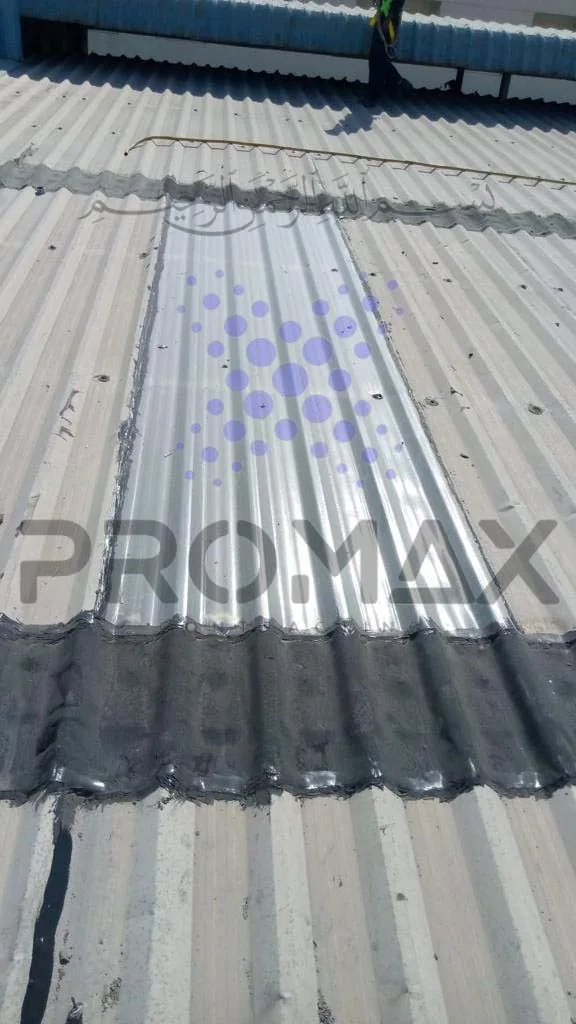
These systems replace portions of metal roofing with translucent panels shaped to match the roof profile. They are widely used on industrial sheds and basic warehouse structures because they fit directly into corrugated or trapezoidal roof layouts.
The benefit is simplicity and lower upfront cost. The downside is that low-cost profiled panels often age faster than the surrounding metal roof. Under harsh sun and heat, some become brittle, lose clarity, or crack around fasteners. That may be acceptable on a low-priority outbuilding, but not on a critical warehouse where water ingress can damage stock, equipment, or electrical systems.
Material selection matters more than most buyers expect
When teams compare skylights, they often focus first on price and visible brightness. In practice, the material choice has a bigger effect on life cycle performance.
Polycarbonate is often a strong option for warehouses because it offers good impact resistance and better durability than many lower-grade translucent sheets. Multiwall polycarbonate can also improve thermal behavior, though actual performance depends on configuration and climate. Acrylic can provide good clarity, but in demanding industrial conditions, impact performance and long-term toughness need careful review.
Glass skylights are less common on industrial warehouse roofs unless the project has specific architectural or thermal requirements. They can perform well, but weight, framing demands, breakage risk, and installation complexity often make them less practical for standard logistics and factory buildings.
The best choice depends on exposure conditions. In high-UV, high-heat environments, material stability is critical. If the panel degrades early, the system stops being an asset and starts driving maintenance calls.
Roof type changes the answer
There is no single winner among the best skylight systems for warehouses because warehouse roofs are not all the same. A standing seam roof, a corrugated sheet roof, a sandwich panel roof, and a single-skin metal roof each require different integration details.
On sandwich panel roofs, thermal performance and panel continuity matter. Skylight systems must be selected and detailed so they do not undermine insulation performance or create weak joints at panel transitions. On single-skin and corrugated roofs, movement, fastener sealing, overlap condition, and corrosion around openings are often the bigger concerns.
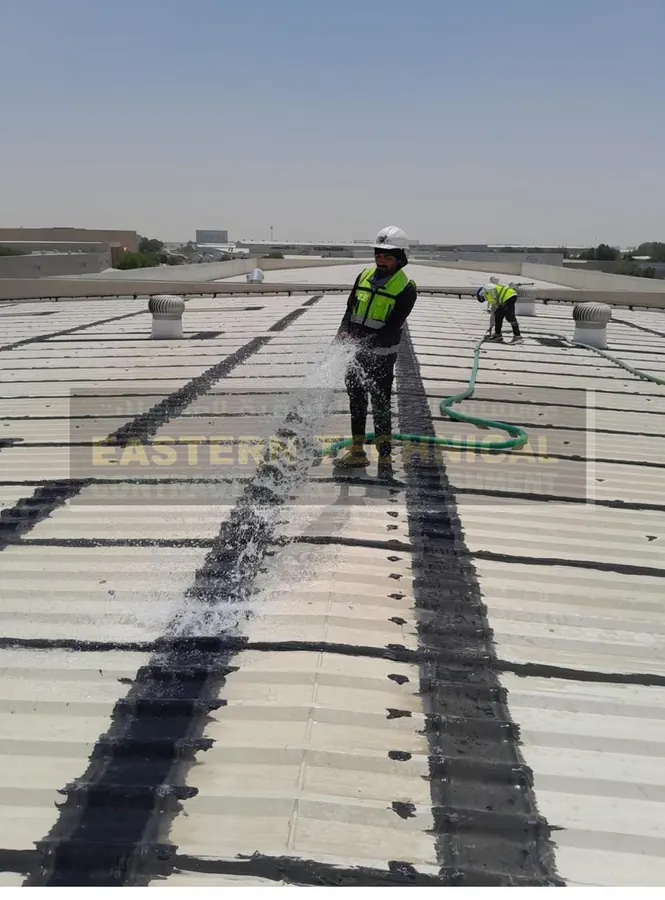
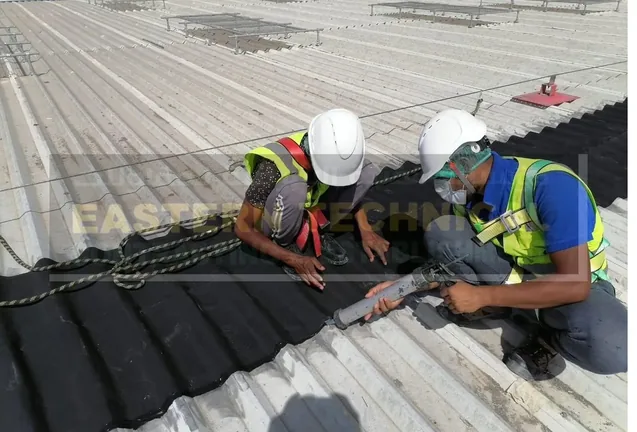
Retrofitting onto an older metal roof adds another layer. If the surrounding sheets are already rusting, deflecting, or leaking at penetrations, a new skylight alone will not solve the problem. The roof area around the unit may need rehabilitation, localized sheet replacement, curb correction, gutter work, or EPDM waterproofing treatment to create a dependable assembly.
Waterproofing is the real test
A skylight is only as good as its edge detailing. Facility teams know this from experience. Most chronic skylight problems are not caused by the translucent panel itself. They come from failed sealants, weak flashings, poor fastening, movement cracks, ponding, and neglected transitions into gutters or adjacent roof penetrations.
That is why warehouse owners should evaluate skylight systems as part of a full roof condition package. If the installer is not assessing slope, drainage path, curb construction, fastener pattern, lap condition, and existing corrosion, the risk remains high.
In industrial applications, waterproofing strategy should account for more than first installation. It should also cover future access, serviceability, and how the system will be resealed or repaired after years of movement and weather exposure. This is where engineered waterproofing support makes a practical difference.
Daylight performance without creating a heat problem
More daylight is useful. Too much uncontrolled solar gain is not. Warehouses in hot climates can end up paying for poor skylight selection through higher cooling load and uncomfortable working conditions below the roof.
Diffused daylighting systems are often better than highly transparent options for warehouse use. They spread light more evenly and reduce glare on work surfaces, forklift lanes, and packing zones. This is especially relevant in buildings where visual comfort affects safety and productivity.
Placement matters too. A few large bright spots can be less effective than a more balanced layout using distributed rooflights. The goal is practical illumination, not maximum brightness at noon.
Safety and maintenance cannot be treated as extras
Any discussion of skylights in warehouses has to include fall protection, access planning, and maintenance responsibility. Fragile or degraded skylights are a known roof hazard. If the system is not specified with safety in mind, it can create long-term risk for maintenance crews and contractors.
This is one reason many operators prefer systems that are easy to inspect and that clearly define compatible safety accessories or screening options. Warehouses with regular rooftop servicing need skylight layouts that do not complicate access to drains, ducts, smoke vents, or equipment.
Maintenance should also be realistic. Dust accumulation, surface weathering, seal deterioration, and fastener fatigue are normal over time. A good system is one that can be inspected and maintained without repeated disruption or improvised patching.
How to choose the right system for your facility
The right question is not which skylight is best in general. It is which system is best for your roof, your building use, and your maintenance tolerance.
If your warehouse is a newer insulated building with strong roof geometry and controlled drainage, continuous rooflights or well-designed modular systems may offer the best daylight result. If your roof is older, movement-prone, or already showing leaks around laps and penetrations, the priority should be compatibility with rehabilitation work and proven waterproofing details.
For many industrial sites, the smartest approach is to inspect the entire roof zone before specifying the skylight. That means checking corrosion, panel condition, curb integrity, drainage, previous repairs, and how the proposed daylighting system will interact with the existing roof assembly. ETCE KSA works this way on industrial roofs because skylight performance cannot be separated from roof performance.
A warehouse roof does not reward guesswork. When skylights are chosen as part of an engineered roof solution, they improve working conditions and reduce dependence on artificial lighting without creating a new leak path. That is the standard worth holding before the first cut is made in the roof.
Related ETCE services
Need this checked on your own roof?
ETCE carries out industrial roof inspections, leak diagnosis, metal roof rehabilitation and EPDM waterproofing across Dammam, Al Khobar, Dhahran, Jubail, Riyadh and Jeddah.
Request a Roof Inspection WhatsApp UsMetal roof waterproofing across Saudi Arabia
ETCE is a metal roof waterproofing company in Saudi Arabia with its head office in Dammam. See our warehouse & factory roof waterproofing service or find your area: