A roof leak in a warehouse rarely stays a roof problem for long. It turns into damaged stock, unsafe walkways, production disruption, and corrosion that keeps spreading after the rain stops. That is why choosing the right warehouse leak repair contractor is less about patching water entry and more about protecting operations, structure, and maintenance budgets.
Industrial buildings fail in very specific ways. A leak around a roof penetration is different from water tracking through side laps on aging metal sheets. A gutter overflow issue is different from condensation misdiagnosed as a roof breach. On an active facility, the contractor has to identify the true source quickly, work safely around operations, and install a repair that survives heat, UV exposure, movement, and standing water. Temporary patching may slow the problem for a week. Engineered repair work is what keeps crews from revisiting the same leak point every season.
What a warehouse leak repair contractor should actually diagnose
A reliable contractor starts with failure analysis, not guesswork. In warehouses and factory buildings, water often travels far from the visible drip point. By the time moisture appears over a rack line or electrical area, the entry source may be several meters away at a fastener line, a curb flashing, a skylight perimeter, or a failed gutter joint.
The first job is to separate symptoms from causes. On metal roofs, common failure points include deteriorated fasteners, widened fixing holes, loose overlaps, failed sealant lines, corroded sheets, damaged ridge caps, roof penetrations, translucent sheet interfaces, and movement at expansion zones. On sandwich panel roofs, leaks can also develop where panel joints lose integrity or where accessories were installed without proper detailing. Gutters and drain points create another layer of risk, especially where poor slope, ponding, or debris loading pushes water back into vulnerable joints.
A contractor working at warehouse scale also needs to understand building age and repair history. Many facilities have been patched multiple times by different teams using incompatible sealants or short-life materials. Those layers hide the root issue and make leak tracing harder. A proper inspection should identify not only where water enters, but why earlier repairs failed.
Why the cheapest repair often becomes the most expensive
Warehouse owners and facility managers usually ask the right first question: how fast can you stop the leak? The harder question is what kind of repair strategy makes sense for this roof condition.
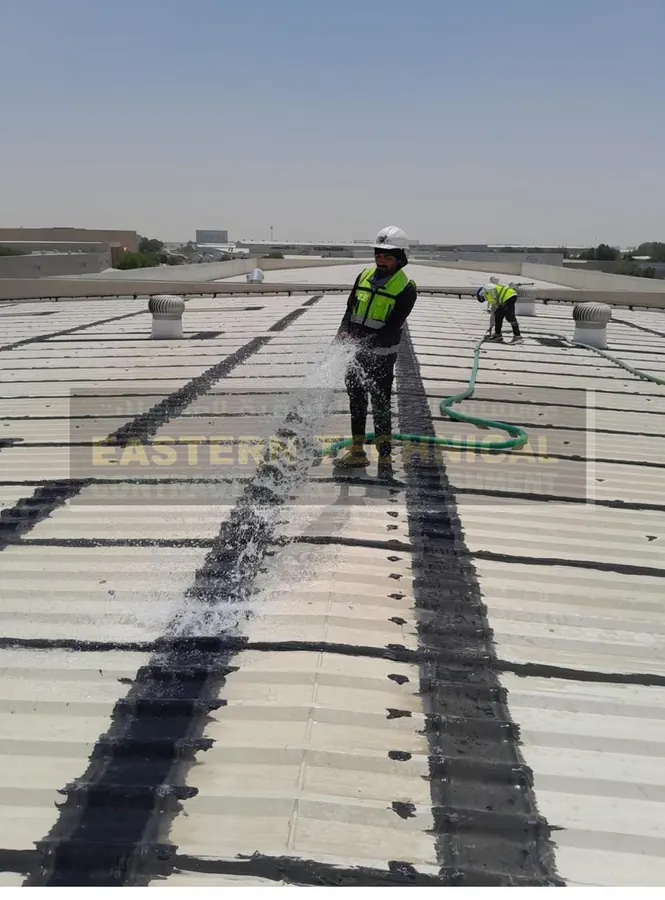
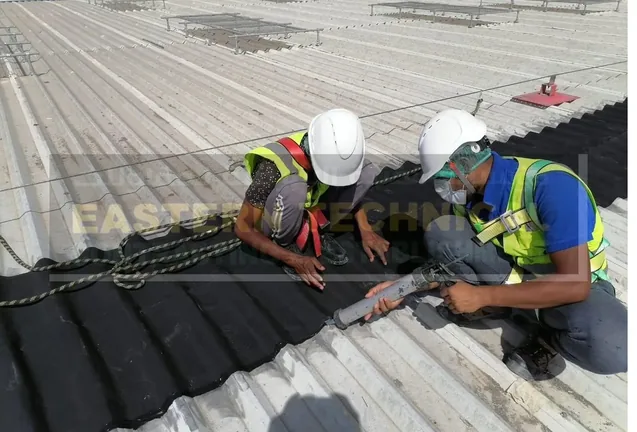
If the failure is isolated and the surrounding roof remains structurally sound, a targeted repair can be the right move. That might involve replacing damaged sheets, rebuilding flashing details, sealing penetrations with a compatible waterproofing system, correcting gutter joints, or treating corrosion before it spreads. This is cost-effective when the defect is local and the rest of the roof still has service life.
But if the roof shows repeated leakage across multiple zones, heavy oxidation, widespread fastener failure, or chronic movement-related separation, isolated patching becomes inefficient. In those cases, a broader rehabilitation approach may be better. The trade-off is simple: lower immediate cost with repeat interruptions, or higher initial scope with fewer failures and better asset protection. A credible contractor should explain that distinction clearly instead of selling the same repair type for every roof.
The role of materials in durable warehouse leak repair
Not all waterproofing materials behave the same on industrial roofs. Warehouses are exposed to heat cycling, UV radiation, dust loading, rain events, and substrate movement. A repair that works on a small domestic structure may fail quickly on a large-span metal building.
This is where system compatibility matters. Metal roofs expand and contract. Penetrations move. Old sheets may be thin, coated, rusted, or uneven. A durable repair has to bond correctly, tolerate movement, and maintain weather resistance over time. For difficult areas such as penetrations, gutters, skylight perimeters, smoke vents, overlaps, and drain points, EPDM-based waterproofing systems are often effective because they handle movement and weather exposure better than brittle patch materials.
That does not mean every leak needs the same membrane treatment. It depends on roof type, substrate condition, and whether the issue is localized or systemic. A good warehouse leak repair contractor chooses materials based on service conditions, not convenience. If corrosion is active, the repair sequence may also need surface preparation, metal treatment, and section replacement before waterproofing begins. Skipping those steps is one reason many repairs fail early.
Warehouse leak repair contractor selection for active facilities
In industrial environments, technical skill is only part of the job. The contractor also has to work inside a live operation. That changes everything from access planning to safety controls to work sequencing.
A warehouse leak repair contractor should be able to inspect without disrupting critical areas, isolate work zones, coordinate permits, and schedule around loading operations or production windows. If access equipment is needed, the team should understand how to protect traffic flow and storage areas below. If interior work is required beneath leak zones, housekeeping and temporary containment become part of the repair plan, not an afterthought.
Responsiveness matters too. A leak over inventory, electrical systems, or process equipment is not a routine maintenance call. Fast site attendance, clear reporting, and practical recommendations are signs of a contractor that understands operational risk. ETCE KSA, for example, built its service model around this reality by combining inspection, diagnosis, fabrication, installation, and after-sales support under one contractor relationship. For industrial clients, that removes delays caused by splitting responsibility across multiple vendors.
What a proper inspection report should tell you
Facility teams should expect more than a verbal opinion. A useful report gives decision-makers enough detail to approve the right scope.
It should identify leak sources or likely source zones, document visible failure points, note roof type and condition, and distinguish between urgent repairs and longer-term rehabilitation needs. It should also highlight any related concerns such as corrosion, unsafe access, damaged gutters, failed penetration details, or recurring issues from previous patchwork.
The best reports also help with budgeting. Instead of presenting roof leakage as one generic problem, they break the issue into repairable components. That makes it easier for operations, maintenance, and procurement teams to compare options and prioritize spend based on risk.
Signs your warehouse roof needs more than a patch
Some buildings tell you early that patching is no longer enough. If leaks return after every rain despite multiple repairs, if rust is visible around fixings and lap zones, or if water entry appears at several unrelated points, the roof is likely dealing with broader system failure. The same is true when gutters are deformed, drain points back up, or roof accessories were added over time without proper flashing integration.
Another warning sign is when interior leakage patterns do not match one clear defect. That often means water is traveling through concealed paths under laps, insulation zones, or connection points. In those situations, the visible drip is only the final outlet. Treating it directly may stop nothing.
This is where contractor experience on warehouse roofs matters. Large industrial buildings have repeating details, long water travel paths, and aging components that interact. A technician who understands these patterns can usually narrow down the real issue faster than a team focused only on surface patching.
How to judge whether a contractor is built for industrial leak repair
Ask how they inspect. Ask what roof systems they repair regularly. Ask how they handle penetrations, gutters, skylights, side laps, corrosion, and active sites. Ask whether they can fabricate replacement elements, not just apply sealant. These questions reveal whether the contractor operates as an industrial building specialist or simply as a general repair crew.
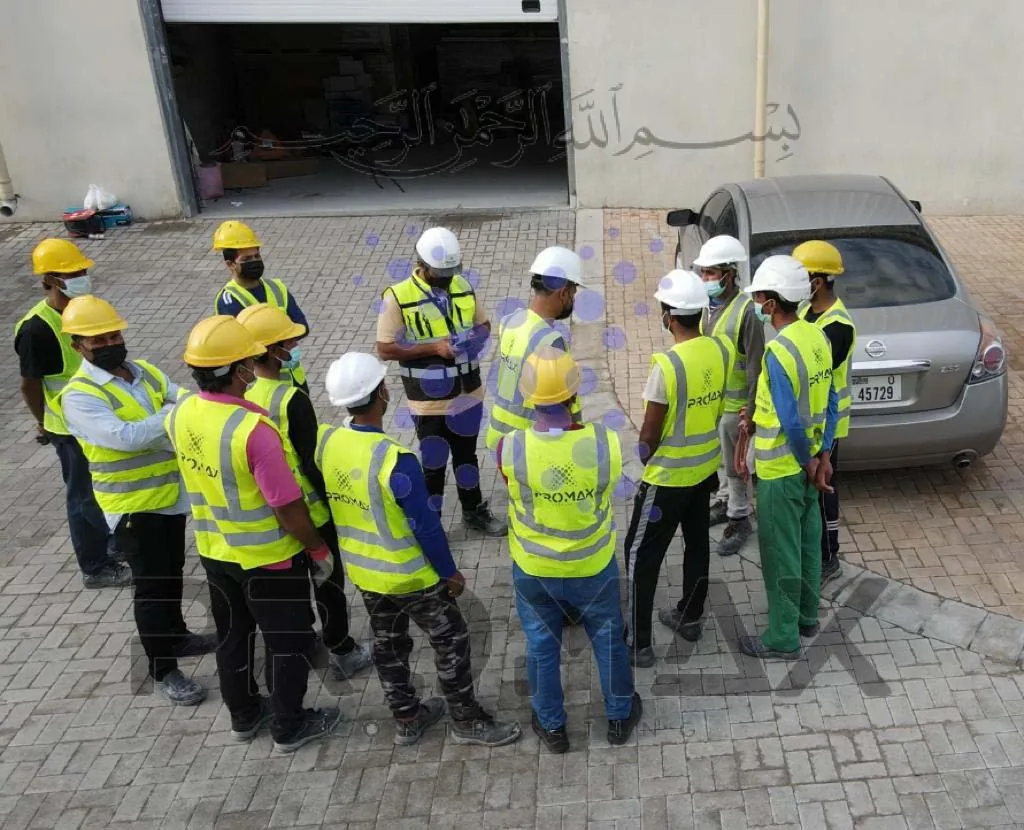
You should also look for practical signs of execution strength: trained teams, documented site findings, clear scope definition, safe work planning, and the ability to support after repair if new issues appear. Warehouses do not need decorative language. They need a contractor who can diagnose correctly, mobilize fast, and leave behind a repair that holds.
A leak is rarely just water entry. It is a signal that a roof detail, drainage path, or aging component has stopped doing its job. The right response is not to chase drips one by one, but to correct the failure in a way that protects the building and the business under it.
Related ETCE services
Need this checked on your own roof?
ETCE carries out industrial roof inspections, leak diagnosis, metal roof rehabilitation and EPDM waterproofing across Dammam, Al Khobar, Dhahran, Jubail, Riyadh and Jeddah.
Request a Roof Inspection WhatsApp UsMetal roof waterproofing across Saudi Arabia
ETCE is a metal roof waterproofing company in Saudi Arabia with its head office in Dammam. See our warehouse & factory roof waterproofing service or find your area: