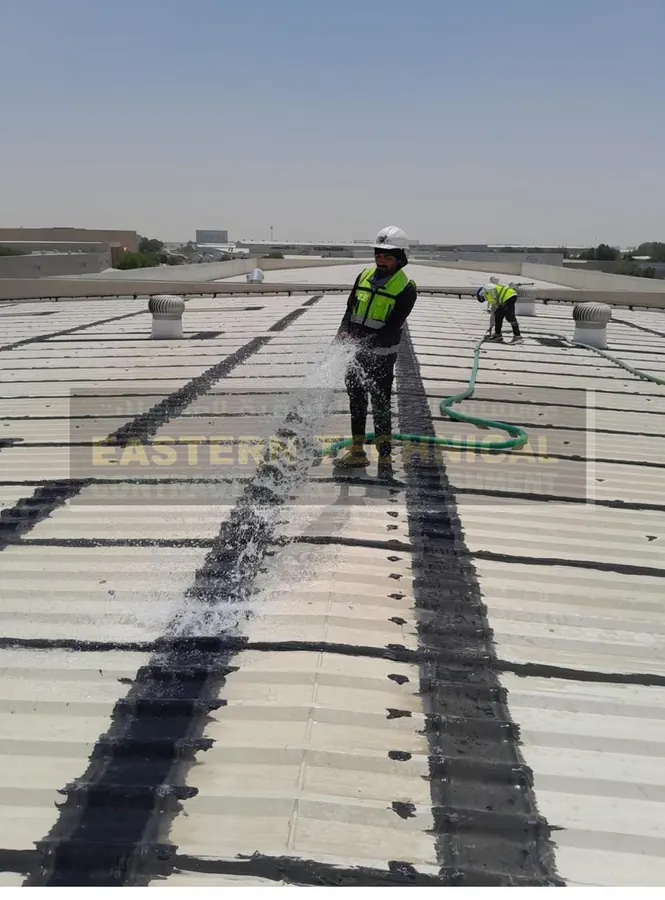
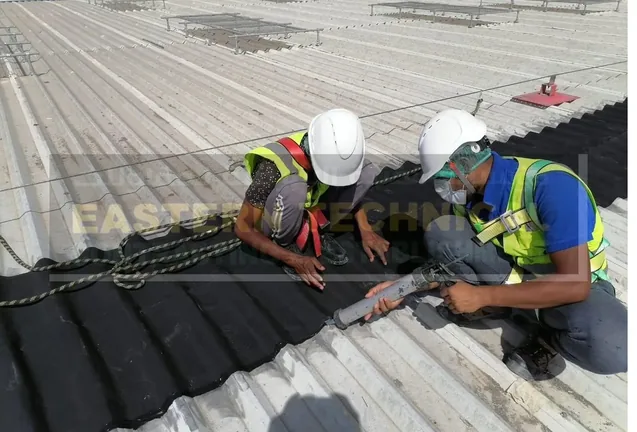
A leaking warehouse roof rarely fails in one dramatic moment. More often, water starts collecting around a blocked gutter, an undersized outlet, a sagging valley, or a poorly sealed drain point. Weeks later, the signs show up inside – staining, insulation damage, corrosion, production risk, and maintenance calls that keep repeating. That is why the best industrial roof drainage solutions are not just about moving rainwater off a roof. They are about protecting the building envelope, reducing downtime, and stopping small drainage defects from turning into structural and operational problems.
Industrial buildings place very different demands on drainage than smaller commercial roofs. Large roof spans, low-slope metal sheets, sandwich panels, roof penetrations, skylights, smoke vents, HVAC supports, and long gutter runs all create points where water can slow down, back up, or enter the system. In hot, dusty, and high-UV environments, those weak points become more severe because debris accumulates faster, sealants age harder, and corrosion moves quickly once moisture remains trapped.
What makes industrial roof drainage fail
Most drainage problems are not caused by rainfall volume alone. They come from a mismatch between roof geometry, water flow, and the condition of the drainage path. A roof may have enough outlets on paper, but if valleys are distorted, downpipes are undersized, or gutter joints are leaking, the system still fails during peak flow.
On older industrial roofs, the common pattern is familiar. Water ponds near penetrations or end laps. Internal gutters corrode at joints and corners. Drain sumps crack or separate from surrounding sheets. Downpipes choke with dust, leaves, and roof debris. At the same time, repeated patch repairs create uneven surfaces that interrupt runoff instead of improving it.
The result is not just leakage. Persistent water retention accelerates rusting, weakens insulation performance, stresses fasteners, increases dirt loading, and shortens the service life of the roof system.
Best industrial roof drainage solutions for real sites
The best drainage approach depends on the roof type, age, slope, and use of the building. There is no single product that solves every industrial drainage problem. What works on a logistics warehouse may not be the right answer for a factory with multiple penetrations and aging internal gutters.
Engineered gutter systems
For many industrial buildings, gutters are the first line of drainage control and also the first place failures begin. A well-designed industrial gutter system must handle peak water volume, maintain proper fall, and resist corrosion at joints, brackets, and discharge points.
Where gutters are undersized, deformed, or repeatedly leaking, replacement or sectional rehabilitation is usually more effective than ongoing patching. The key is to treat the gutter as a hydraulic component, not just a sheet metal accessory. Width, depth, outlet spacing, support condition, and expansion movement all matter.
Box gutters and valley gutters are especially critical on wide-span roofs. If they hold standing water after a rain event, there is already a performance issue. In many cases, the solution involves reprofiling affected sections, correcting outlet placement, and sealing transitions with a durable waterproofing system rather than relying only on exposed sealant lines.
Siphonic and gravity drainage systems
For large industrial roofs, the choice between siphonic and gravity drainage can affect both performance and construction complexity. Traditional gravity systems are straightforward and dependable when properly sized. They use sloped pipework and are generally easier to inspect and maintain.
Siphonic systems can move large water volumes efficiently with fewer downpipes, which is useful on large footprints where pipe routing is difficult. But they require precise hydraulic design, correct installation, and disciplined maintenance. If the roof is already aging or has inconsistent levels, a simple gravity-based correction may be the safer path.
This is one of those cases where the best solution depends on the building. New construction offers more flexibility. Existing facilities usually need a practical retrofit strategy that respects current roof conditions and minimizes disruption.
Internal drains and drain point waterproofing
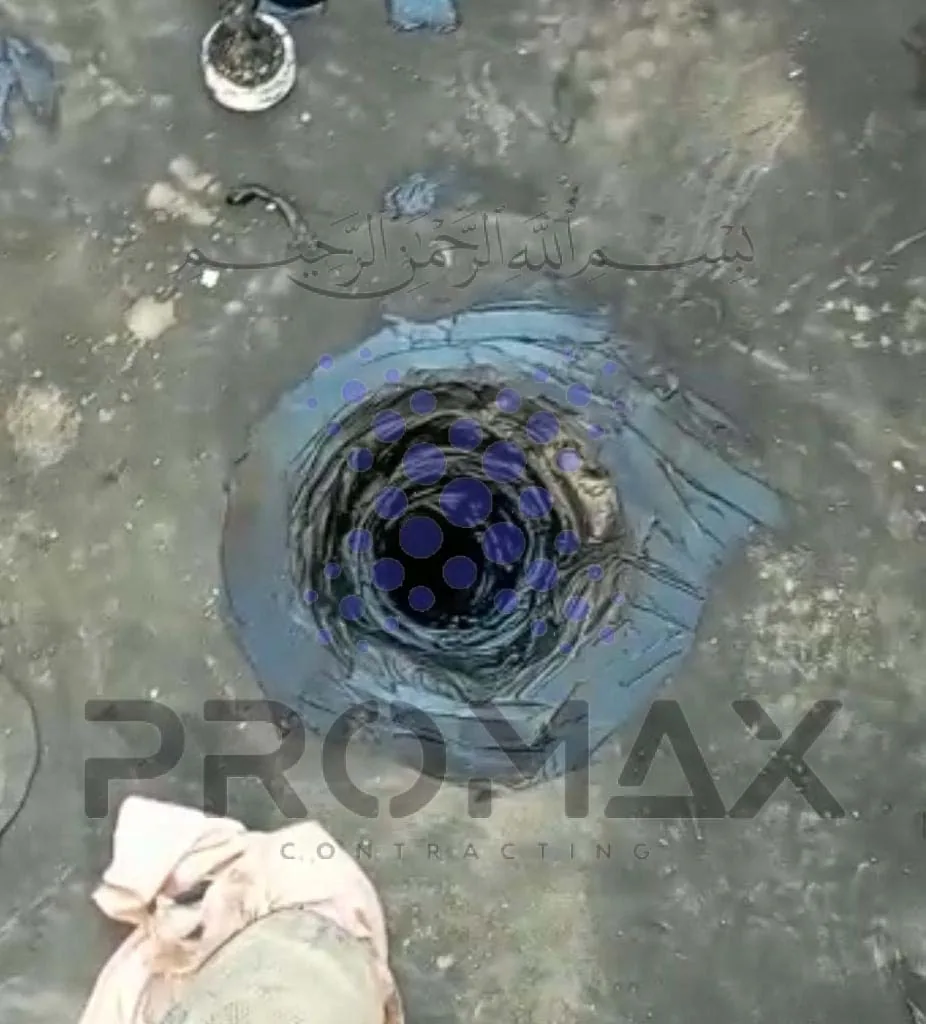
Drain points are common leak locations because they combine water concentration, movement, and material transitions in one small area. On metal roofs, the issue is often not the drain body alone but the interface between the drain and the surrounding roof sheet, insulation, or gutter lining.
A proper industrial drain detail must allow water entry without creating a vulnerable seam around the opening. This is where reinforced waterproofing systems become valuable, particularly around awkward geometries and movement-prone areas. EPDM-based waterproofing is often a strong option for drain points because it handles thermal movement well and performs reliably on difficult details when installed correctly.
What should be avoided is the common cycle of sealing over a failed drain with mastic or tape, only to revisit the same leak after the next storm. If the substrate is rusted, distorted, or separated, the drainage point needs to be rebuilt, not disguised.
Why roof slope and water path matter more than many repairs
You can install a better outlet, a larger downpipe, or a new gutter lining, but if the roof does not direct water properly, drainage performance will still be limited. Many industrial roofs develop localized deflection over time from structural movement, overloaded supports, poor original detailing, or repeated maintenance traffic.
That means the water path has to be studied before choosing the repair. Where is water collecting? What obstacles are slowing runoff? Are penetrations acting as dams? Is water crossing laps in the wrong direction? These are practical site questions, and they often explain why the same roof keeps leaking despite multiple repairs.
In low-slope systems, even small level differences can change drainage behavior significantly. Corrective work may include localized regrading, support adjustments, sump formation, or redesign of collection points. Without that step, even a good waterproofing material can be forced into a bad drainage layout.
The role of waterproofing in drainage performance
Drainage and waterproofing should never be separated on industrial roofs. A drain can remove water, but if the surrounding seams, penetrations, and gutter joints are not protected, the system still fails. On aging metal roofs and sandwich panel roofs, this relationship becomes even more important because corrosion and thermal movement open pathways that water exploits quickly.
This is where a specialist contractor brings more value than a basic maintenance crew. The job is not just to clean outlets and reseal visible gaps. It is to assess the full drainage chain – roof sheet condition, laps, gutters, downpipes, penetrations, skylight upstands, and transition details – then select a repair method that lasts.
For complex industrial sites, ETCE KSA typically sees the same pattern: leaks reported at one point, but the real cause sits upstream in drainage failure, ponding, or a compromised gutter line. Solving the symptom without correcting the water route only delays the next callout.
How to choose the best industrial roof drainage solutions
Start with inspection, not assumptions. A proper roof drainage assessment should identify ponding zones, blocked discharge points, corroded channels, failed joints, undersized components, and vulnerable waterproofing details. It should also consider operational risk. A small leak above a low-use storage zone is different from one above production, electrical equipment, or sensitive inventory.
Material compatibility matters as well. Metal roofs, sandwich panels, and older repaired surfaces often include mixed substrates and multiple generations of patchwork. Any drainage upgrade has to work with those conditions, not against them.
Maintenance access is another practical factor. Some technically sound systems become poor choices if the site cannot inspect or service them regularly. The best answer is usually the one that combines hydraulic adequacy, durable detailing, straightforward maintenance, and realistic installation on an active facility.
Maintenance is part of the solution, not an afterthought
Even the best-designed drainage system needs routine inspection. Dust, windblown debris, loose fasteners, sealant breakdown, and minor sheet deformation can gradually reduce performance long before a major leak appears. Industrial roofs should be checked before and after heavy rain periods, with special attention to gutters, valleys, drain baskets, downpipes, and all low points.
What matters is consistency. Scheduled cleaning and targeted repairs cost far less than corrosion-related rehabilitation, damaged insulation replacement, or interior disruption caused by uncontrolled water entry.
If your facility has repeated roof leaks, standing water after rainfall, rusting gutters, or drain points that have already been patched more than once, the drainage system is asking for more than another temporary repair. The right next step is a technical inspection that follows the water path from roof surface to discharge point and fixes the cause where it starts. That is how industrial roofs stay serviceable longer, safer under load, and easier to maintain when the next weather event arrives.
Related ETCE services
Need this checked on your own roof?
ETCE carries out industrial roof inspections, leak diagnosis, metal roof rehabilitation and EPDM waterproofing across Dammam, Al Khobar, Dhahran, Jubail, Riyadh and Jeddah.
Request a Roof Inspection WhatsApp UsMetal roof waterproofing across Saudi Arabia
ETCE is a metal roof waterproofing company in Saudi Arabia with its head office in Dammam. See our warehouse & factory roof waterproofing service or find your area: