A small roof leak can become an operational problem long before water reaches the warehouse floor. Moisture may travel beneath sheets, insulation, flashings, or existing coatings, causing corrosion, staining, damaged stock, electrical risk, and repeated maintenance calls. A qualified waterproofing specialist does more than apply a patch over the visible wet area. The job is to identify the failure path, assess the roof condition, and install a system that addresses the source of water ingress.
For warehouses, factories, storage facilities, and large commercial buildings, this distinction matters. Roofs in the UAE are exposed to extreme heat, UV radiation, dust, wind-driven rain, expansion and contraction, and aging fasteners. A repair that looks acceptable from ground level may fail again after the next rainfall if drainage, overlaps, penetrations, or metal corrosion are not properly treated.
What a Waterproofing Specialist Actually Does
Waterproofing is not a single product or one standard repair method. It is a site-specific process involving inspection, surface preparation, material selection, detailing, installation, and follow-up support. The right system depends on whether the roof is metal or concrete, its age, slope, drainage layout, exposure level, and the condition of previous repairs.
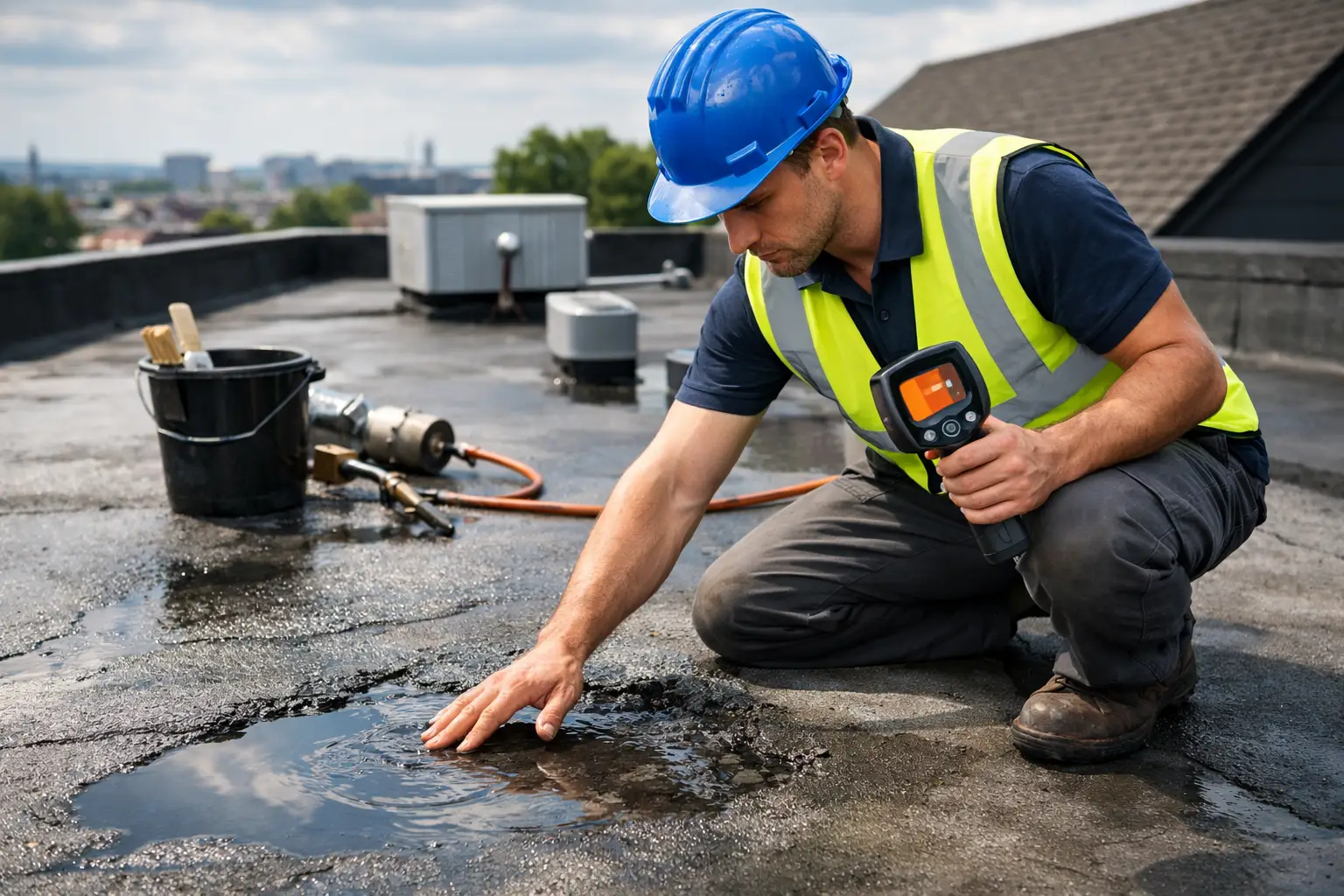
A specialist begins by tracing the actual route of water. The visible leak inside a building is often not directly below the roof defect. Water can enter through a failed screw washer, a split at a roof overlap, an unsealed pipe penetration, a damaged skylight perimeter, a cracked parapet joint, or an overflowing gutter. It can then travel along purlins, insulation, or structural members before appearing inside the facility.
This is why a proper inspection should look beyond the immediate symptom. It should review roof sheet laps, fasteners, ridge and valley details, gutters, downpipes, wall junctions, flashings, expansion areas, penetration seals, and signs of rust. On concrete roofs, the assessment should also consider cracks, ponding water, joint movement, delamination, and the condition of any existing membrane or coating.
Signs Your Facility Needs a Roof Assessment
Waiting for a major internal leak is usually the most expensive approach. Water ingress can develop slowly, with early signs that are easy to overlook during routine operations. Repeated ceiling marks, rust streaks on metal sheets, damp insulation, standing water after rain, and recurring leaks in the same area all indicate that surface-level patching may no longer be enough.
Other warning signs include loose or corroded fasteners, failed sealant around pipes and skylights, gutters pulling away from the roof edge, deteriorated lap joints, and visible cracking in roof treatment areas. In older facilities, many isolated repairs can also be a warning. If leaks continue to move from one location to another, the roof may need a coordinated rehabilitation plan rather than another emergency repair.
A site inspection is especially valuable before the rainy season, after a severe storm, or when a building is being repurposed for higher-value storage or more sensitive operations. The cost of planned work is generally easier to control than the cost of stock damage, downtime, emergency access, and repeated reactive repairs.
The Right System Depends on the Roof
There is no universal waterproofing material that suits every roof. Material selection must follow the roof substrate, movement, exposure, condition, and expected service requirements. Applying the wrong system can trap moisture, fail at joints, lose adhesion, or make future maintenance more difficult.
Metal Roof Waterproofing
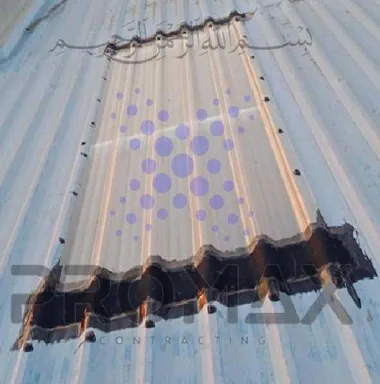
Metal roofs require close attention to joints, screws, sheet overlaps, ridge caps, flashing details, and corrosion. Because metal expands and contracts significantly under heat, rigid repairs often crack or separate over time. Flexible membrane systems, including EPDM-based solutions where suitable, can provide durable coverage when the surface is correctly prepared and critical details are reinforced.
Surface preparation is not optional. Loose rust, failed old sealant, dirt, and deteriorated coatings must be addressed before installation. Corroded sheets, damaged purlins, or severely weakened sections may require repair or replacement before waterproofing begins. A membrane cannot compensate for structural deterioration beneath it.
Concrete Roof Treatment
Concrete roof failures commonly involve cracks, construction joints, parapet wall junctions, pipe penetrations, and poor drainage. Ponding water adds pressure to weak areas and can accelerate membrane breakdown. The repair scope may include crack treatment, joint sealing, substrate repair, primer application, membrane installation, and protection of vulnerable upstands and terminations.
The trade-off is simple: a quick coating may cost less at the start, but it may not perform well where movement, standing water, or failed underlying layers are present. A more complete membrane treatment takes greater preparation and installation discipline, yet it can reduce the frequency of future repairs when designed for the actual roof conditions.
Why Details Matter More Than Coverage Area
Large roof surfaces attract attention, but most leaks occur at details. Pipe penetrations, skylight edges, roof-to-wall connections, gutters, screw heads, seams, and termination points are where water finds an entry route. A waterproofing system is only as reliable as its weakest detail.
For this reason, specialist work includes more than rolling or spraying material across the roof. It involves reinforced treatment at high-risk points, proper sealing geometry, compatible materials, secure terminations, and a controlled approach to overlaps. Where custom flashings or metal components are needed, fabrication capability can prevent delays and improve fit on site.
Drainage also deserves equal attention. Even a high-quality membrane can be tested by blocked outlets, undersized gutters, incorrect falls, or water trapped around roof obstructions. In some cases, correcting drainage defects is the key action that protects the new waterproofing system from premature failure.
What to Expect From a Professional Waterproofing Specialist
A capable contractor should provide a clear explanation of the defect, not simply a broad recommendation to coat the entire roof. The proposed scope should identify the affected areas, preparation requirements, system type, detail treatment, and any related repairs needed for a lasting result.
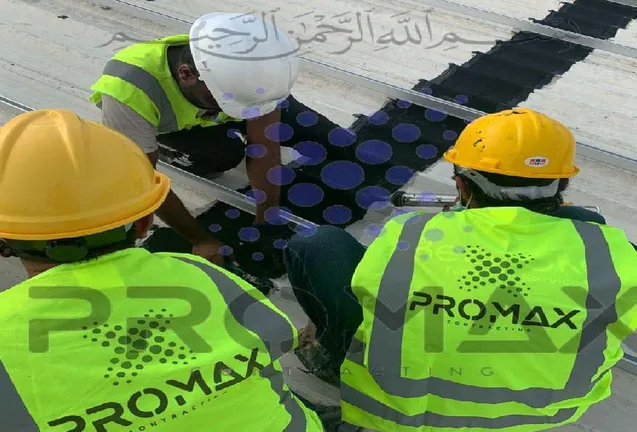
Ask how the contractor will handle corroded metal, loose fasteners, damaged flashings, failed gutters, and penetrations. Ask whether the system is designed for heat exposure and roof movement. It is also reasonable to ask about access planning, safety controls, expected work sequence, and how the team will minimize disruption to daily operations.
For larger facilities, phased execution may be the practical answer. Critical leak zones can be stabilized first, followed by planned treatment of remaining roof sections. This approach helps manage budgets while still addressing urgent risk. However, it only works when the work is guided by a complete roof assessment rather than isolated complaint areas.
After-sales response is another factor. Roofs remain exposed assets, and even well-executed work benefits from periodic inspection, cleaning of drainage paths, and prompt attention to new damage caused by weather or third-party activities. Promax Contracting approaches waterproofing as an end-to-end maintenance requirement, combining inspection, repair, fabrication support, installation, and ongoing response where required.
Choosing Repair, Restoration, or Replacement
The best option depends on the roof's remaining condition. Localized repairs are appropriate when damage is confined and the surrounding roof remains sound. Restoration is often suitable when there are widespread leaks, aging seams, surface deterioration, or repeated maintenance issues but the roof structure is still serviceable. Replacement may be necessary when sheets, supports, or underlying components have deteriorated beyond reliable repair.
The lowest quoted option is not always the lowest operating cost. A narrow patch may solve an immediate leak but leave adjacent failures untouched. On the other hand, full treatment of a roof that only needs targeted repairs can waste budget. The value of specialist assessment is making that decision from evidence rather than assumption.
A roof should not have to fail dramatically before it receives attention. Early inspection, correct detailing, and a system matched to the building can protect operations, preserve structural components, and turn recurring leak complaints into a controlled maintenance plan.
Related ETCE services
Need this checked on your own roof?
ETCE carries out industrial roof inspections, leak diagnosis, metal roof rehabilitation and EPDM waterproofing across Dammam, Al Khobar, Dhahran, Jubail, Riyadh and Jeddah.
Request a Roof Inspection WhatsApp Us