A warehouse roof can look serviceable from ground level while water is already entering through failed fasteners, open laps, degraded sealant, damaged gutters, or poorly detailed penetrations. By the time ceiling stains appear, the problem may have moved beyond a simple patch. Waterproofing experts are worth calling when leakage is recurring, corrosion is spreading, or a facility needs a repair decision based on inspection rather than guesswork.
For commercial and industrial properties, waterproofing is not a cosmetic maintenance item. It protects stock, machinery, electrical systems, insulation, steel members, and day-to-day operations. In hot, high-UV climates such as the UAE, roof materials also face thermal movement, standing water after rain, wind-driven dust, and accelerated deterioration at joints and exposed details. The right contractor identifies where water is entering, why the existing system failed, and what repair scope will hold up under actual site conditions.
What Waterproofing Experts Actually Do
A capable waterproofing contractor does more than apply a coating over a visible leak. The work begins with diagnosis. Water often travels along roof sheets, insulation layers, steel channels, conduits, or purlins before it becomes visible inside the building. Treating the point where the water appears can leave the entry point untouched.
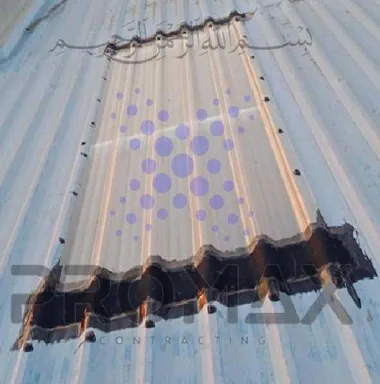
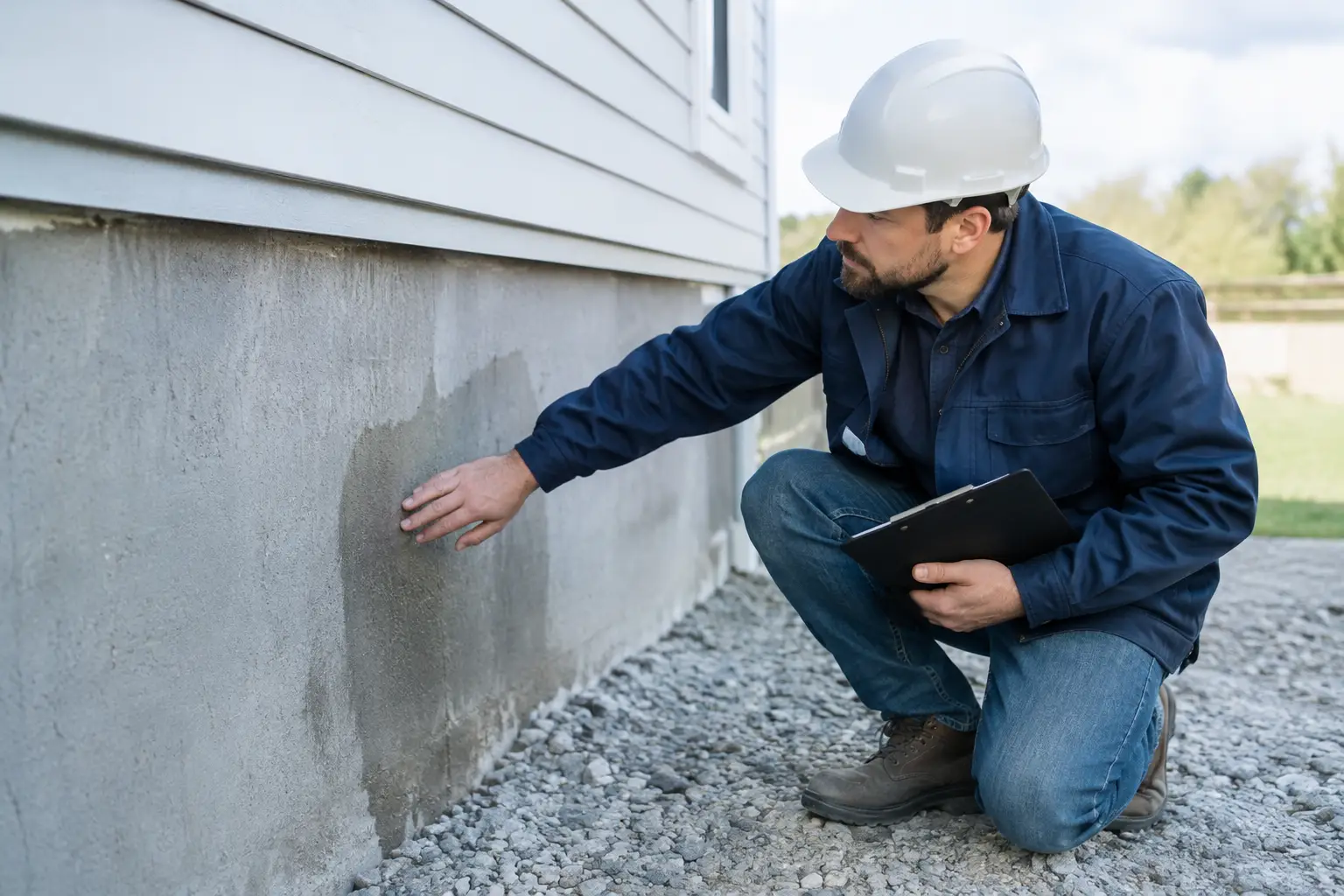
A proper inspection reviews the roof profile, drainage paths, laps, screw lines, flashings, gutters, skylights, expansion joints, pipe penetrations, and previous repair areas. The team should check for loose or corroded fasteners, split sealant, membrane lifting, ponding water, damaged cladding, and rust around connections. On older facilities, they should also assess whether localized repair is realistic or whether the roof has reached a stage where a coordinated rehabilitation program is more economical.
The outcome should be a clear recommendation, not a generic promise to "seal everything." The scope needs to state which areas will be treated, which system will be used, how joints and penetrations will be detailed, and what preparation is required before installation. Surface preparation is where many short-lived repairs fail. A membrane or sealant cannot compensate for wet, dirty, loose, or heavily corroded substrate conditions.
Signs You Need Waterproofing Experts, Not Another Patch
One isolated leak after an unusual storm may be resolved with a targeted repair. Repeated leaks, however, usually point to a system problem. The same is true when a roof has received multiple applications of different products over the years without a clear repair history.
Bring in a specialist if leakage returns after previous work, water appears in more than one area, gutters overflow despite cleaning, or corrosion is visible around roof screws and sheet overlaps. Other warning signs include cracked sealant around skylights, dripping at pipe penetrations, stained insulation, loose roof sheets, and water pooling after rainfall. These conditions can affect safety, interrupt operations, and increase the cost of future restoration.
Timing matters. Planned work allows the contractor to inspect properly, organize access, stage materials, and coordinate around production schedules. Emergency repairs are sometimes unavoidable, but they often cost more because access, drying, and material selection are constrained by active leakage. A facility manager who acts at the first pattern of failure has more options than one responding after stock has been damaged.
Selecting a Waterproofing System for the Building
There is no single waterproofing material that suits every roof. The right system depends on roof construction, slope, drainage performance, substrate condition, expected movement, exposure to heat, and the number of details that must be sealed. Cost matters, but the lowest initial price is rarely the right comparison if it leads to frequent callouts or premature replacement.
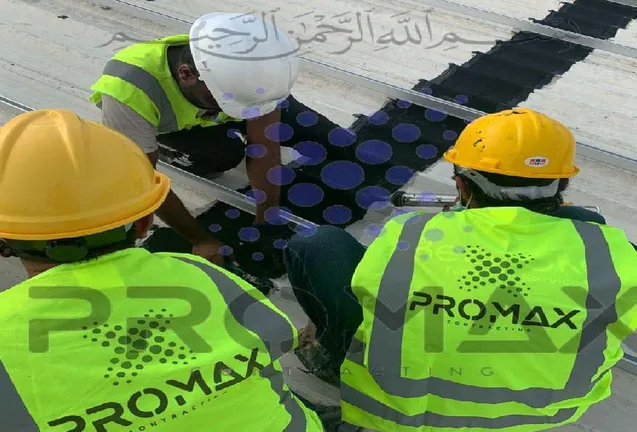
For large metal roofs, an EPDM-based waterproofing system can provide durable coverage when the roof is properly prepared and the critical details are treated correctly. Screw treatment, overlap sealing, edge detailing, gutter interfaces, and penetration flashing are not minor extras. They are often the points where a roof succeeds or fails.
Concrete roofs require a different assessment. Cracks, construction joints, parapet connections, drain outlets, and surface moisture need to be evaluated before a compatible treatment is specified. If the concrete has active movement or moisture pressure, applying an incompatible product may create blistering, cracking, or detachment. The contractor should explain the condition they found and why the proposed system matches it.
Skylights deserve particular attention because they combine framing, glazing, fasteners, sealant, and roof connections in one exposed location. A quick seal around the visible edge may slow a leak, but it will not correct degraded flashing, loose fixings, or cracked surrounding sheets. The same discipline applies to ducts, vents, and service pipes passing through the roof.
Why Detail Work Determines the Service Life
Wide roof areas are usually straightforward to cover. The difficult work is at transitions: where one material meets another, where water changes direction, or where a component penetrates the roof surface. These areas experience movement, debris buildup, standing water, and high UV exposure.
This is why experienced waterproofing experts focus closely on gutters, valleys, wall upstands, expansion points, curbs, pipe penetrations, and roof edges. Each detail must direct water away from the building while allowing for movement without opening the waterproof layer. A system can have excellent material specifications and still fail early if these connections are rushed.
Drainage also needs an honest review. Waterproofing will not perform as intended if water is routinely held against weak joints because gutters are undersized, poorly sloped, blocked, or corroded. In some cases, gutter replacement, fabricated flashings, or localized roof correction should be part of the scope. That adds cost upfront, but it can prevent the same failure from reappearing at the next heavy rain event.
What to Expect From a Professional Site Inspection
A useful inspection produces practical information for maintenance, procurement, and engineering teams. It should distinguish urgent active leaks from developing defects, identify the likely cause of each issue, and prioritize work based on operational risk. A photographic record and marked roof plan are especially helpful for large warehouses, factories, and storage facilities.
Ask the contractor how they will prepare the substrate, manage access and safety, handle weather exposure during installation, and protect operations below the work area. It is also reasonable to ask whether corroded metal, damaged fasteners, or failed gutters will be repaired before waterproofing is installed. Applying a new system over unresolved defects transfers risk into the new work.
The proposal should also make clear what is included. Some quotations cover only the membrane area but exclude perimeter detailing, penetrations, gutter interfaces, access provisions, or metal repairs. Comparing quotes without matching the scope can make a complete repair look expensive beside a limited application that leaves the most vulnerable points untreated.
Promax Contracting approaches this type of work through site inspection, condition-based recommendations, fabrication support where required, and coordinated execution from repair through after-sales response. For facility teams, the value is not simply having one more coating applied. It is having a contractor that can connect leakage symptoms to roof condition, drainage, metal deterioration, and the details surrounding the affected area.
Protecting the Asset After the Repair
Even a well-installed waterproofing system needs periodic inspection. Roofs change over time as new services are added, access traffic increases, debris accumulates, and weather exposure affects sealants and fasteners. Scheduled checks before and after seasonal rain help identify small defects before they become internal damage.
Maintenance teams should keep gutters and drains clear, report new stains quickly, avoid unapproved penetrations, and record any work carried out on the roof. When a new cable, pipe, or support is installed, its connection to the roof should be sealed as part of the work, not left for a later visit.
The most useful waterproofing decision is usually made before the leak becomes an emergency. A detailed inspection, a system matched to the substrate, and disciplined attention to joints and drainage give a commercial roof a far better chance of staying dry when the building needs it most.
Related ETCE services
Need this checked on your own roof?
ETCE carries out industrial roof inspections, leak diagnosis, metal roof rehabilitation and EPDM waterproofing across Dammam, Al Khobar, Dhahran, Jubail, Riyadh and Jeddah.
Request a Roof Inspection WhatsApp Us