A roof leak over an active warehouse is rarely just a roof problem. Water can damage stored materials, interrupt loading operations, corrode steel members, weaken insulation, and create safety exposure for staff. Finding the best waterproofing company in Dubai means selecting a contractor that can identify the real source of failure and deliver a system built for the building, not simply apply another coating over a damaged surface.
For commercial, industrial, and institutional facilities, waterproofing should be treated as asset protection. Dubai’s heat, UV exposure, wind-driven rain, airborne dust, and temperature movement place continuous stress on roof sheets, concrete slabs, gutters, skylights, fasteners, and pipe penetrations. The right contractor brings inspection discipline, suitable materials, trained installation teams, and a clear response plan when urgent leakage occurs.
What the Best Waterproofing Company in Dubai Should Inspect First
A proper waterproofing scope starts on the roof, not at a desk. Leakage often appears far away from its entry point, especially on large metal roofs and multi-bay warehouse structures. Water can travel along purlins, insulation, service conduits, or roof laps before it becomes visible inside the facility.
The inspection should examine roof slope, drainage paths, standing-water areas, sheet overlaps, screws, flashing details, ridge caps, gutters, skylights, wall junctions, expansion joints, and penetrations around pipes or equipment. On concrete roofs, the contractor should also check for cracks, failed previous coatings, deteriorated joints, loose screed, and moisture trapped beneath the existing system.
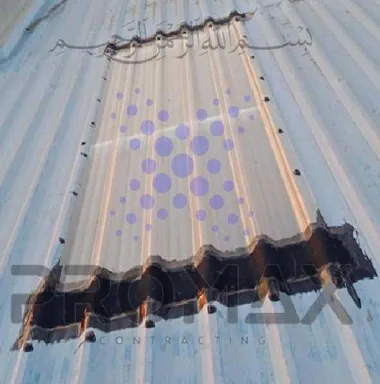
This matters because the repair method depends on the failure mechanism. A leaking screw line may require screw treatment and targeted membrane reinforcement. A corroded gutter with poor falls may need replacement or fabrication, not patching. A roof with widespread UV damage may require full membrane coverage rather than repeated spot repairs. A contractor who recommends the same solution for every roof is not diagnosing the site properly.
Choose System Design Over Quick Surface Patching
The lowest initial quote is often based on limited preparation and a thin surface application. It may stop visible leakage for a short period, but it does not necessarily address failed joints, corrosion, loose fasteners, weak drainage, or movement between roof components. For an occupied warehouse or factory, repeated callouts usually cost more than a planned rehabilitation program.
A durable scope should define how the roof will be prepared, which areas need repair before waterproofing, how joints and penetrations will be treated, and where membrane laps or termination details will be placed. It should also state how the system connects to gutters, parapets, skylights, wall flashings, and equipment bases.
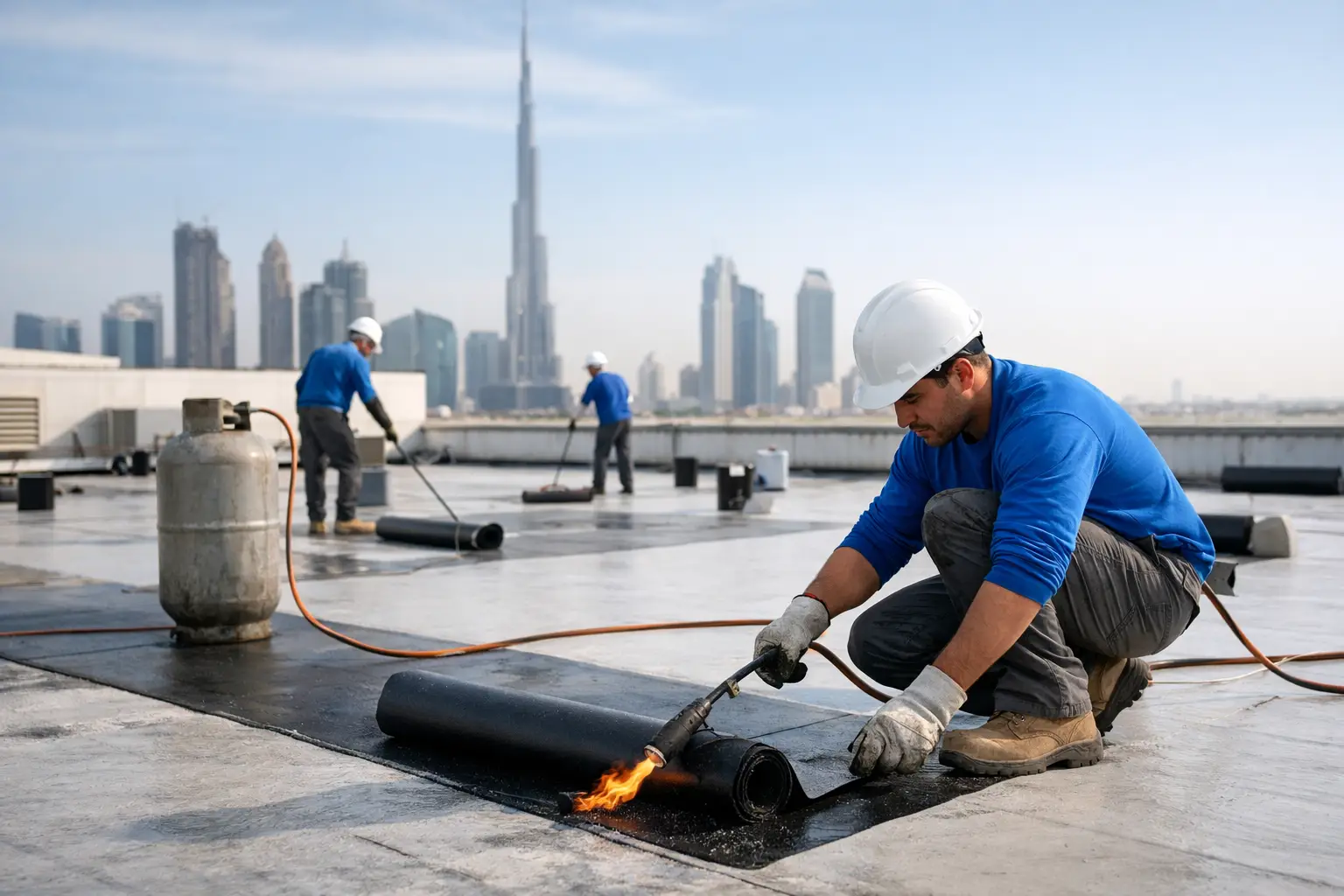
EPDM-based waterproofing systems can be an effective option for many roof applications because they provide flexible, durable membrane protection when correctly selected and installed. However, material selection is not automatic. The best system depends on roof type, substrate condition, traffic requirements, drainage performance, existing coverings, expected movement, and the facility’s operating schedule.
For example, a metal shed roof with widespread corroded screw points requires a different detail package than a concrete roof with cracked upstands. A system that performs well on a small office extension may not be the right choice for a large distribution center with long roof spans and multiple service penetrations.
Technical Capability Matters on Industrial Roofs
Large facilities present details that smaller residential contractors may not regularly handle. Roof rehabilitation can involve deteriorated metal sheets, rust treatment, purlin repair or replacement, custom flashings, gutter fabrication, skylight waterproofing, and safe roof access arrangements. These tasks affect one another, which is why a waterproofing contractor should understand the complete building envelope rather than treating the membrane as an isolated product.
Fabrication capability is particularly valuable where standard components do not match existing roof geometry. Custom gutters, flashings, edge trims, cover plates, and penetration collars need accurate measurement and controlled installation. Poorly fitted metalwork can defeat an otherwise sound membrane system by allowing water to enter at transitions and terminations.
Ask how the contractor handles corrosion before applying waterproofing. Covering rust without treating the affected metal can hide a worsening problem. The damaged area should be assessed, cleaned, repaired where required, protected with the appropriate treatment, and integrated into the new waterproofing detail.
Look for a Clear Execution Plan
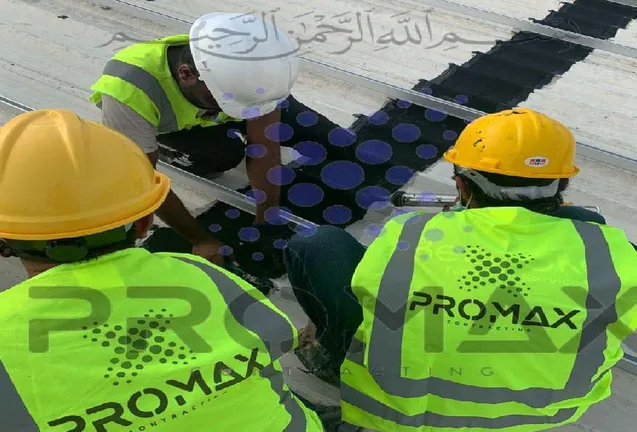
The best waterproofing company in Dubai should be able to explain the work sequence in practical terms. Facility managers need to know what happens before crews arrive, where materials will be stored, how roof access will be controlled, whether operations below need protection, and how weather conditions may affect application.
A reliable execution plan normally includes site measurement and condition reporting, material approval, surface preparation, localized repairs, membrane installation, detail treatment, quality checks, and final water-testing or inspection where appropriate. It should also identify areas that require phased work so that warehouse loading, production activity, or tenant access can continue with minimal disruption.
Speed matters when water is entering an active building, but speed should not mean skipping preparation. Wet substrates, contaminated surfaces, loose old material, and untreated corroded areas can compromise adhesion and reduce the life of the installation. Good contractors move quickly by organizing labor, materials, access equipment, and site coordination in advance.
Compare Proposals by Scope, Not Just Price
When reviewing waterproofing quotations, compare the actual work included. Two proposals may appear similar on the first page yet cover very different levels of preparation, repair, material thickness, detailing, and after-sales support.
A useful proposal should make clear whether it includes substrate cleaning, removal of failed materials, crack or joint treatment, screw replacement or sealing, flashing works, gutter repairs, protection around penetrations, debris removal, and final inspection. It should also identify exclusions honestly. If structural deterioration, drainage redesign, or hidden corrosion is outside the base price, that should be stated before work begins.
Be cautious with vague descriptions such as “complete waterproofing” without system details. The scope should identify where the work starts and stops. On a large roof, a membrane application that does not address skylights, wall junctions, gutter outlets, and equipment penetrations may leave the highest-risk leak points untreated.
Responsiveness Is Part of the Service
Waterproofing is not finished when the installation crew leaves. Buildings move, extreme weather exposes weak details, and older structures can reveal additional failures after the initial repair. A contractor’s response after handover is an important part of its value.
Ask who will handle future inspection requests, how defects are reported, and whether the contractor has the technical team and materials to return quickly when needed. For property teams managing several facilities, one contractor that can inspect, fabricate, repair, and maintain roof systems can reduce coordination delays and avoid disputes between multiple vendors.
Promax Contracting approaches roof and waterproofing work as an integrated site service, combining inspection, membrane application, metal repair, gutter work, fabrication support, and maintenance response for demanding commercial and industrial properties.
Questions to Ask Before Awarding the Work
Before selecting a contractor, request a site-specific explanation of the leakage cause and the proposed repair method. Ask what preparation is required, how the system will be detailed at penetrations and edges, and what work is needed to correct drainage or corrosion issues. Confirm the expected work duration, site access requirements, safety controls, warranty terms, and after-sales process.
It is also reasonable to ask for evidence of comparable projects. A contractor experienced with large warehouses, factories, storage facilities, and metal sheds will understand the practical problems of working around ongoing operations, roof access restrictions, heat exposure, and extensive service penetrations.
The right decision is not always the largest scope or the lowest price. A localized repair can be sensible when the roof is generally sound and the failure is clearly isolated. Full membrane coverage may be the better investment when leaks recur across multiple areas, materials have aged beyond repair, or the facility cannot tolerate repeated interruptions.
A good waterproofing contractor helps you make that decision with evidence from the roof itself. Start with a detailed inspection, insist on a defined technical scope, and choose the team that can repair the cause of water ingress while protecting the building for the work ahead.
Related ETCE services
Need this checked on your own roof?
ETCE carries out industrial roof inspections, leak diagnosis, metal roof rehabilitation and EPDM waterproofing across Dammam, Al Khobar, Dhahran, Jubail, Riyadh and Jeddah.
Request a Roof Inspection WhatsApp Us