A leaking metal roof rarely fails in one clean, obvious spot. It usually starts at laps, fasteners, curb flashings, skylights, gutters, drain points, and movement-prone joints that have been expanding under heat for years. That is where the real epdm vs liquid waterproofing decision gets made – not in a brochure, but on an aging industrial roof with rust, traffic, penetrations, and operational pressure to keep the building running.
For warehouse owners, facility managers, and project teams, the right choice depends less on product category and more on roof condition, geometry, downtime tolerance, and the level of waterproofing detail required. Both systems can perform well. Both can also fail early when applied in the wrong situation or installed without proper surface preparation and detailing.
EPDM vs liquid waterproofing: what changes on site
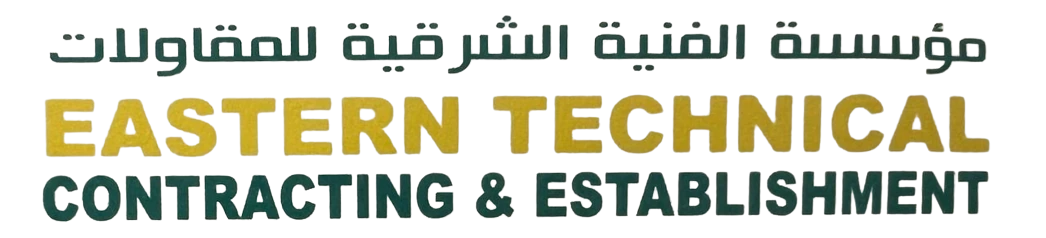
EPDM is a synthetic rubber membrane used to create a durable waterproof barrier. In industrial roof rehabilitation, it is especially strong where movement, difficult detailing, and long-term flexibility matter. It can be applied in sheet form or as part of engineered EPDM-based waterproofing solutions for penetrations, gutters, ducts, skylights, and other leak-prone areas.
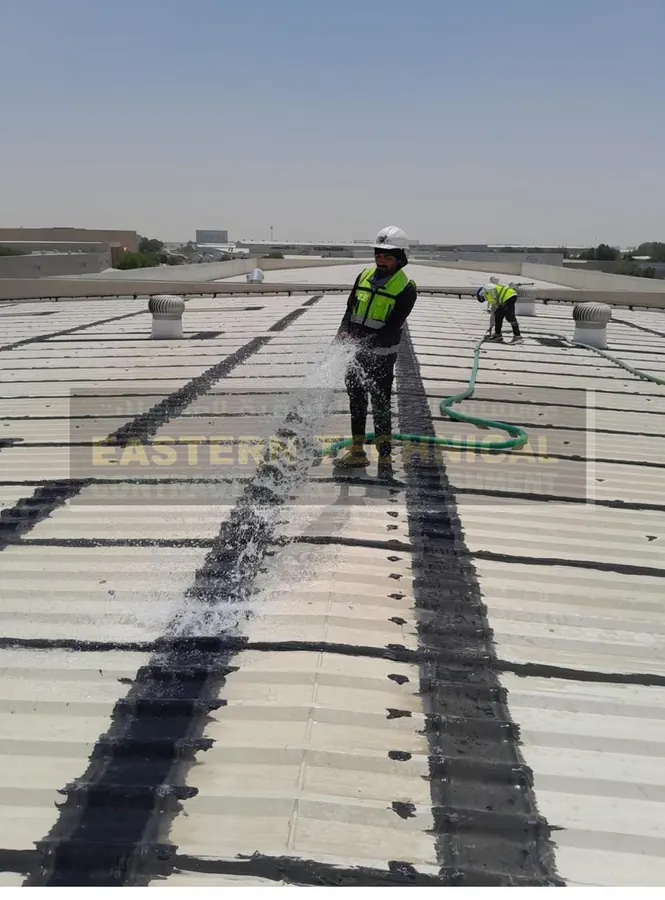
Liquid waterproofing is a fluid-applied system that cures into a continuous membrane over the roof surface. It is attractive because it can conform to irregular shapes and cover wide areas without many visible seams. On paper, that sounds ideal for rehabilitation. On site, performance depends heavily on the chemistry, film thickness, curing conditions, and the discipline of application.
The difference is practical. EPDM brings predictable elasticity and strong resistance to movement at critical details. Liquid systems bring adaptability across uneven surfaces and can be useful when a broad coating approach is needed. The best option is the one that matches the failure pattern of the roof, not the one that sounds simpler during procurement.
Where EPDM performs better
On metal roofs, movement is constant. Panels expand under heat, contract at night, and stress every joint in the system. Add aging fasteners, oxidized surfaces, and repeated maintenance traffic, and the weak points become clear. EPDM performs well in these conditions because it stays flexible and handles cyclical movement without becoming brittle in the same way some coatings can over time.
This is especially important around roof penetrations. Pipe sleeves, cable entries, supports, smoke vents, and skylight upstands are not flat field conditions. They are interruption points where leaks keep returning after patch repairs. EPDM-based detailing is often a stronger answer here because it can be shaped and installed as a true waterproofing detail rather than just brushed over as a surface treatment.
Gutters and drainage transitions are another area where EPDM has an advantage. These locations combine standing water risk, debris accumulation, thermal movement, and corrosion. A membrane solution with strong detailing control generally gives more dependable long-term performance than a thin or inconsistently applied liquid layer.
For industrial buildings with recurring leaks at localized but complex points, EPDM is often the more engineered option. It is not just about covering the roof. It is about controlling the actual leak path.
Where liquid waterproofing makes sense
Liquid waterproofing can be a practical solution when the roof has a large exposed area that needs surface renewal and the substrate is still fundamentally sound. If the roof geometry is irregular, access is tight, or the project benefits from a fluid-applied system that can conform around many small changes in profile, liquid application can reduce the amount of cutting and fitting required.
It can also be useful where a full-sheet membrane approach is not practical across the entire roof area. On rehabilitation projects, some owners want a coating-based system that refreshes the protective layer while extending service life. In the right condition, with the right material and correct dry film thickness, that can work.
The trade-off is that liquid systems are highly dependent on workmanship control. Coverage rate, substrate moisture, ambient temperature, cure time, and reinforcement at joints all matter. If application is rushed or thickness is inconsistent, the membrane may look complete while still leaving vulnerable points. That risk increases on active industrial sites where scheduling pressure is real.
The real comparison is not product vs product
Too many roof failures come from comparing material labels instead of comparing roof conditions. A warehouse roof with active rust, failed fasteners, split laps, ponding near gutters, and leaking penetrations needs diagnosis first. Without that, the epdm vs liquid waterproofing debate becomes theoretical.
A few site questions usually clarify the direction. Is the roof leaking across the field, or mainly at details? Is there corrosion that needs treatment before any waterproofing begins? Are there movement joints, old patches, or unsupported transitions? Is ponding present? Will rooftop equipment traffic continue after installation? Does the owner want a repair-driven solution for weak points, or a broader rehabilitation strategy?
On many industrial roofs, the answer is not purely one system across everything. The field area may accept one treatment, while penetrations, gutters, and transitions require a different level of reinforcement and detailing. This is why experienced contractors approach waterproofing as a roof system problem, not a single-product purchase.
Surface preparation decides service life
Whether the specification calls for EPDM or liquid waterproofing, poor preparation shortens service life fast. Metal roofs require careful inspection for corrosion, loose fasteners, failed sealants, open laps, damaged flashings, and contamination from dust, oil, and old incompatible materials.
If rust is active, it must be addressed before waterproofing. If joints are moving, they need proper treatment. If drainage is poor, coating over the problem will not remove the underlying risk. The membrane is only as reliable as the substrate beneath it.
This matters even more in harsh climates. High UV, heat cycling, wind-driven dust, and moisture exposure all accelerate weak installations. A system that looks acceptable on handover can start failing early if detailing was skipped or the substrate was not stabilized. For factories and logistics facilities, that usually means repeat access, disruption, and more cost than doing it correctly the first time.
Cost, downtime, and maintenance
Initial cost alone is a poor way to choose between these systems. A lower-priced application can become more expensive if it requires frequent touch-ups, struggles at penetrations, or fails to stop hidden water entry that continues corroding the roof structure.
EPDM solutions may involve more detail-focused installation, especially at difficult roof elements, but they can offer stronger durability where movement and leak concentration are the real issues. Liquid systems may appear faster on large areas, but speed only helps if curing conditions, thickness control, and reinforcement are all managed properly.
Maintenance planning should also be part of the decision. Industrial roofs are not static. New penetrations get added. Service teams walk the roof. Equipment changes. Drainage points clog. A waterproofing system should be selected with future inspection and repair strategy in mind, not just the installation day.
For many facility teams, the best-value solution is the one that reduces emergency callouts and keeps operations uninterrupted. That usually favors a system chosen after a proper inspection report, not a generic product substitution.
Choosing the right system for warehouses and factories
If the roof has chronic leaks at penetrations, curbs, gutters, skylights, or other difficult details, EPDM is often the better fit. If the roof area is broad, relatively uniform, and suitable for a controlled fluid-applied membrane, liquid waterproofing may be appropriate. If both conditions exist, the project may need a combined rehabilitation strategy rather than a single-material answer.
That is how industrial waterproofing should be handled – by matching the system to the failure point, the substrate, and the operational demands of the building. Contractors that work regularly on warehouses, factories, sandwich panel roofs, corrugated sheets, and aging metal structures usually see this clearly because the same leak patterns repeat across sites.
A capable inspection should identify whether the problem is field exposure, failed detailing, corrosion, drainage, or a mix of all four. From there, the recommendation becomes grounded in performance rather than guesswork. That is the standard ETCE KSA works to on industrial roof waterproofing projects.
If you are weighing epdm vs liquid waterproofing, do not start with which product is more popular. Start with where the roof is failing, how the building operates, and how much risk you can carry if the repair does not hold through another season of heat, movement, and rain.
Related ETCE services
Need this checked on your own roof?
ETCE carries out industrial roof inspections, leak diagnosis, metal roof rehabilitation and EPDM waterproofing across Dammam, Al Khobar, Dhahran, Jubail, Riyadh and Jeddah.
Request a Roof Inspection WhatsApp UsMetal roof waterproofing across Saudi Arabia
ETCE is a metal roof waterproofing company in Saudi Arabia with its head office in Dammam. See our warehouse & factory roof waterproofing service or find your area: