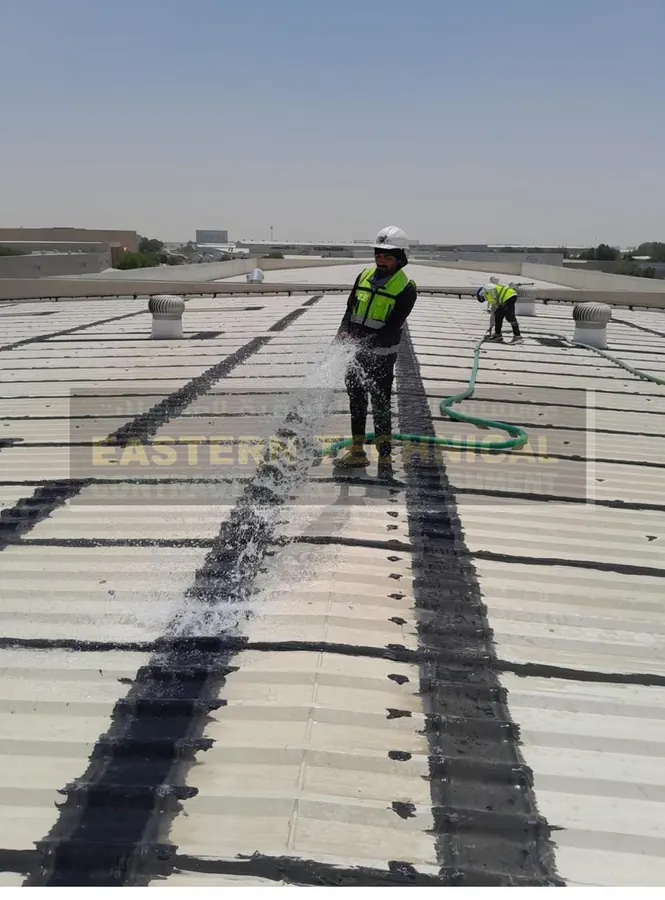
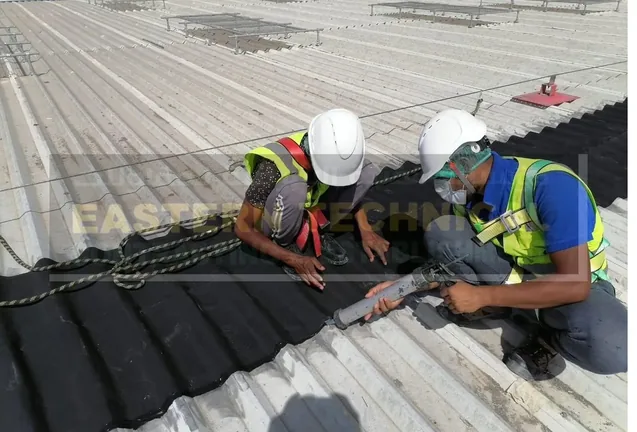
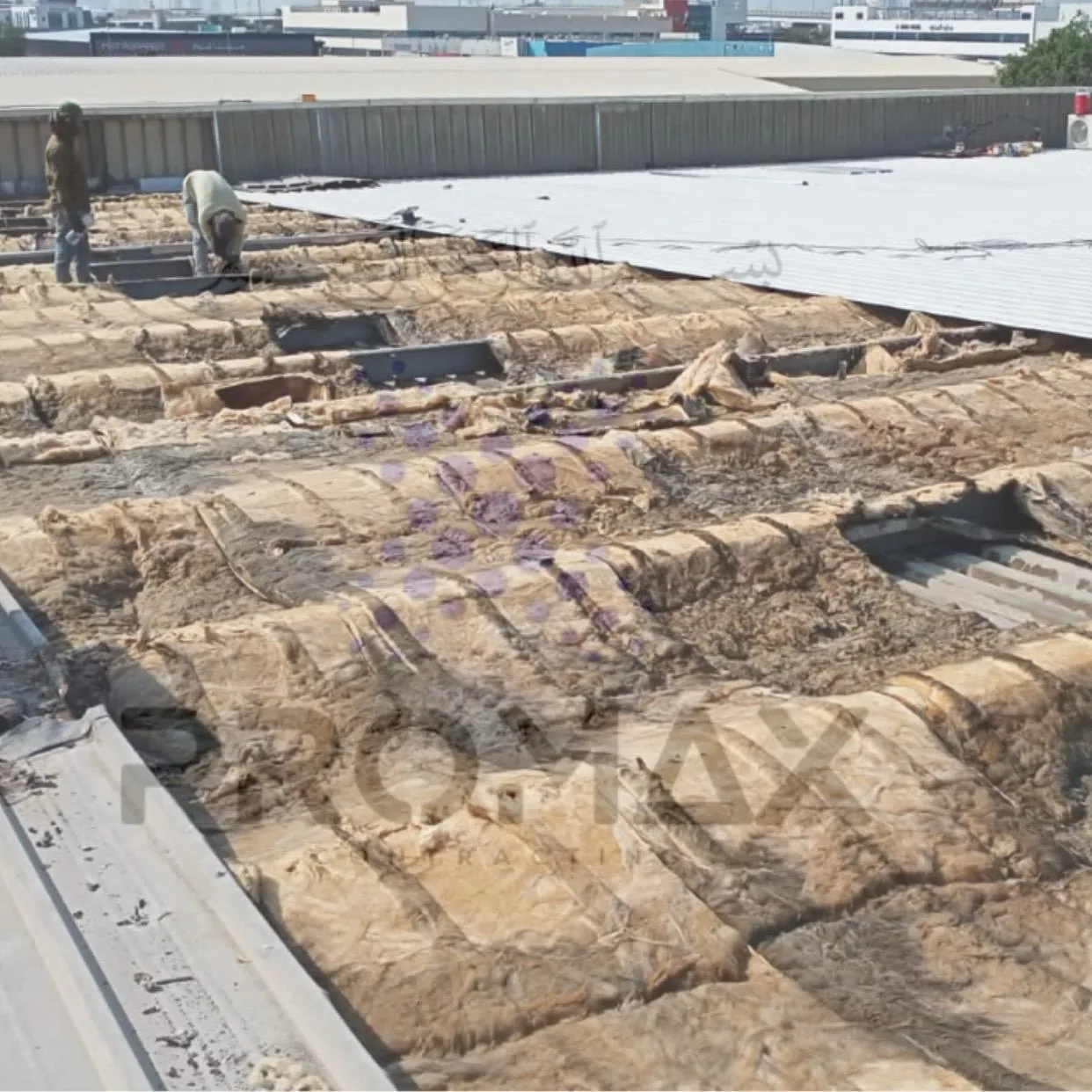
A sandwich panel roof rarely fails all at once. What usually happens is slower and more expensive: a small joint opens, fasteners begin to work loose, sealant hardens under heat and UV, moisture finds a path into the system, and the first visible leak shows up long after damage has already started. That is why a proper sandwich panel roof maintenance guide matters for warehouses, factories, and logistics buildings where downtime, damaged stock, and corrosion can turn a manageable repair into a major capital problem.
Sandwich panel roofs are built for speed, insulation, and clean installation, but they are not maintenance-free. In industrial environments, the roof is under constant stress from thermal movement, ponding around low points, foot traffic during service work, airborne dust, and weather exposure. If the building also has penetrations, skylights, ducts, curbs, or aging gutters, the risk increases further. Maintenance is not just about keeping water out. It is about protecting insulation performance, preserving structural metal, and extending roof service life without waiting for failure.
What a sandwich panel roof maintenance guide should focus on
Most facility teams start with the visible surface, but a good maintenance plan looks at the full roof system. That includes the external sheet, internal sheet, insulation core, panel laps, end joints, fasteners, sealants, flashings, penetrations, gutters, and drainage points. A roof can look acceptable from ground level and still have developing issues at the seams or around mechanical supports.
The first priority is water entry. Once water gets into a sandwich panel assembly, the damage is not always obvious immediately. Moisture can migrate, wet the insulation, stain the internal liner later, and accelerate corrosion around concealed edges and connection points. The second priority is movement. Metal expands and contracts every day in hot climates, and that repeated movement places stress on sealants, laps, and flashing details. The third is traffic damage. Technicians servicing rooftop equipment often step where they should not, creating dents, damaging coatings, or stressing panel joints.
Inspection intervals that make sense
For most industrial buildings, twice-yearly inspections are a practical baseline, usually before and after the harsher weather periods. But fixed intervals alone are not enough. The roof should also be checked after heavy rain, strong wind events, major rooftop works, or after new penetrations have been installed.
A newer roof in a controlled environment may only need standard preventive inspections. An aging warehouse roof with known leaks, patch history, corrosion, or frequent access will need closer attention. If the site handles sensitive stock or critical operations, a more disciplined schedule is justified because the cost of water ingress is much higher than the cost of inspection.
Key failure points on sandwich panel roofs
Panel joints and end laps
The most common trouble starts where one component meets another. Side laps and end laps depend on correct alignment, compression, and seal continuity. Over time, thermal cycling, installation tolerances, and movement can create small gaps. These are easy to miss during casual checks but are often the first path for wind-driven rain.
Fasteners and washers
Fasteners do more than hold the roof down. They help maintain compression at critical points. If fasteners back out, become overdriven, corrode, or lose washer integrity, water can enter around them. A failed washer exposed to heat can crack and stop sealing properly even if the screw still appears tight.
Flashings and penetrations
Roof penetrations are high-risk areas on any industrial roof. Pipes, cable trays, ducts, smoke vents, skylights, and equipment supports all interrupt the roof plane. Poor detailing here causes recurring leaks. In many cases, the leak is blamed on the panel when the real issue is failed flashing, incompatible sealant, or movement around the penetration.
Gutters, valleys, and drain points
Drainage components often receive less attention than the roof field, but blocked or deteriorated gutters can force water back into laps and joints. Debris buildup, corrosion at gutter corners, and failed joints at outlets are common sources of leakage in large industrial buildings.
Protective coatings and cut edges
Where the roof has surface scratches, exposed metal, or poorly treated cut edges, corrosion can begin. In coastal or high-humidity conditions, that process can accelerate quickly. Once corrosion takes hold around seams or support zones, repair becomes more complex than a simple sealant touch-up.
How to inspect without creating new damage
A sandwich panel roof maintenance guide is only useful if the inspection method itself is controlled. Unplanned foot traffic is one of the most common causes of panel damage. Roof access should be limited, and walking routes should be defined. Maintenance personnel need to understand where the panel has support and where stepping can deform the sheet.
Visual inspection should start from the overall roof geometry. Look for standing water marks, staining beneath joints, panel deflection, loose flashings, damaged trim, and signs of previous patching. Then move closer to check sealant condition, fastener lines, lap integrity, closure details, and penetrations.
Inside the building, look for water staining, corrosion on purlins, wet insulation signs, mold at localized points, and discoloration around penetrations or end laps. Interior evidence often gives a better map of active leak zones than the external surface alone.
Cleaning and preventive maintenance
Cleaning is not cosmetic on an industrial roof. It is part of preserving drainage and identifying defects early. Dirt, sand, packaging fragments, and plant debris can collect in gutters, behind flashings, and around outlets. If that material is allowed to build up, water flow slows and ponding risk increases.
Cleaning should be done with methods suitable for the panel finish. Abrasive tools, aggressive scraping, and incompatible chemicals can damage the protective coating and shorten roof life. What works on one metal surface may be wrong for another. The goal is to remove debris, not strip protection.
Preventive maintenance usually includes clearing drainage lines, checking and replacing failed sealant at selected details, tightening or replacing compromised fasteners, repairing minor coating damage, and resealing known weak points before the rainy season. On many sites, these small interventions prevent the emergency callout later.
When repairs need more than sealant
Not every leak can be solved with another bead of sealant. That is one of the most expensive mistakes on industrial roofs. If the panel joint has opened because of movement, if the flashing design is poor, if corrosion has progressed under the lap, or if wet insulation is trapped inside the assembly, surface sealing alone may only delay failure.
This is where diagnosis matters. Some roofs need localized panel replacement. Others need flashing redesign, gutter rehabilitation, fastener replacement, or reinforced waterproofing around difficult penetrations. EPDM-based detailing can be especially effective at complex leak points where repeated movement defeats conventional patching, provided the interface is engineered and installed correctly.
A practical rule is simple: if the same area leaks again after patching, stop repeating the same repair method. Reassess the detail, the movement, and the water path.
Building a maintenance plan for active facilities
For warehouse and factory operators, the best plan is one that can be executed without disrupting operations. That means documenting roof zones, ranking risk areas, recording past repairs, and tracking repeat issues by location. A roof drawing marked with penetrations, gutters, historical leaks, and access paths saves time during every inspection.
It also helps to classify issues by urgency. Blocked drains, open joints, active corrosion, and penetration leaks need immediate action. Aged sealant, isolated coating wear, or minor trim distortion may be scheduled into preventive works. Without that discipline, teams either overreact to minor defects or ignore early signs of serious failure.
On older industrial assets, combining inspection, repair, fabrication, and waterproofing under one contractor often reduces delay and coordination gaps. ETCE KSA works in that model because roof problems on active sites rarely stay within one trade boundary. The leak may start at a panel lap, show up at a gutter, involve custom flashing, and require waterproofing at multiple interfaces.
A sandwich panel roof maintenance guide for long-term roof life
The most effective sandwich panel roof maintenance guide is not the one with the longest checklist. It is the one that catches failure early, respects how the roof actually moves, and treats recurring leak points as engineering details rather than surface defects. Industrial roofs age according to exposure, traffic, detailing quality, and how quickly small issues are corrected.
If your roof is already showing repeated leaks, rust marks, wet insulation signs, or patched penetrations, maintenance should move from routine to targeted. Delay usually makes the repair area larger, the hidden damage deeper, and the operating risk higher. A controlled inspection and a technically sound repair plan will always cost less than waiting for the next storm to identify the problem for you.
The roof over a warehouse or factory is not just cladding. It is part of production continuity, asset protection, and building safety. Treat it like a working system, and it will perform like one.
Related ETCE services
Need this checked on your own roof?
ETCE carries out industrial roof inspections, leak diagnosis, metal roof rehabilitation and EPDM waterproofing across Dammam, Al Khobar, Dhahran, Jubail, Riyadh and Jeddah.
Request a Roof Inspection WhatsApp UsMetal roof waterproofing across Saudi Arabia
ETCE is a metal roof waterproofing company in Saudi Arabia with its head office in Dammam. See our warehouse & factory roof waterproofing service or find your area: