A roof that looks acceptable on handover can become a recurring cost center within a few summers if the wrong system was selected. In industrial projects, the real question behind sandwich panel vs corrugated sheet roofing is not which one looks better on paper. It is which system matches the building's heat load, operating hours, maintenance access, leak risk, and long-term repair strategy.
For warehouses, factories, sheds, and logistics buildings, both systems are common for good reasons. Both can cover large spans, both can be installed quickly, and both can perform well when detailed and maintained correctly. But they behave very differently once you factor in insulation, thermal movement, water ingress, corrosion exposure, retrofit complexity, and the day-to-day realities of industrial use.
Sandwich panel vs corrugated sheet roofing: the basic difference
A corrugated sheet roof is typically a single-skin metal sheet profile fixed over purlins. It is straightforward, relatively economical, and widely used where basic weather cover is the main requirement. Depending on the project, insulation may be added separately below or above, but the roof sheet itself is not an insulated assembly.
A sandwich panel roof is a factory-made composite panel with outer and inner metal facings bonded to an insulated core. That core is commonly PIR, PU, rock wool, or another insulating material depending on project requirements. In practical terms, it is both the weathering layer and the insulation layer in one roof element.
That difference changes almost everything – thermal performance, internal comfort, condensation risk, structural dead load, detailing at penetrations, and the way failures show up over time.
Where corrugated sheet roofing makes sense
Corrugated sheet roofing remains a practical solution for many industrial buildings. If the facility is lightly occupied, naturally ventilated, or used mainly for storage without tight temperature expectations, a single-skin corrugated roof can be the right commercial decision. It is also often chosen where initial budget pressure is high and the owner is planning phased upgrades later.
Another advantage is familiarity. Many contractors, maintenance teams, and fabricators know how to work with corrugated sheets, flashings, ridge details, gutters, and replacement sections. On straightforward sheds and utility structures, that simplicity helps.
But the savings are not always as large as they appear at tender stage. Once heat gain, separate insulation, recurring leak repairs, rust treatment, and operational discomfort are considered, a low first cost can become a high lifecycle cost. This is especially true on aging roofs where fixings loosen, laps open, sealants fail, or corrosion starts at cut edges and fastener points.
Where sandwich panel roofing has the advantage
Sandwich panel systems are usually selected when the building needs better thermal control, cleaner internal conditions, and a more integrated roof assembly. For factories, temperature-sensitive storage, workshops with continuous occupancy, and logistics assets that run long hours, the insulation value is often the deciding factor.
A better insulated roof reduces heat transfer into the building envelope. In hot climates, that can directly affect cooling loads, worker comfort, and the stability of stored materials. It can also reduce the internal surface temperature swings that contribute to condensation in certain operating conditions.
Sandwich panels also present a cleaner underside compared with exposed single-skin roof construction plus separate insulation treatments. For some facilities, that matters for housekeeping, hygiene, or a more controlled working environment.
That said, sandwich panels are not automatically trouble-free. Poor joint detailing, damaged panel facings, badly sealed penetrations, and careless rooftop traffic can still lead to leaks and deterioration. The system is stronger as a complete assembly, but only when installation quality is disciplined.
Cost is not just material price
When clients compare sandwich panel vs corrugated sheet roofing, the conversation often starts with material rate per square foot. That is too narrow.
Corrugated sheet roofing usually wins on direct upfront material cost. It is the more budget-friendly option for simple weather protection. But if the facility later requires insulation upgrades, condensation control, repeated waterproofing work, internal false ceilings, or more frequent maintenance interventions, the cost gap starts to close.
Sandwich panels usually require higher initial investment. However, they can reduce the need for separate insulation systems and may lower operating costs over time. In many industrial buildings, the better question is not which roof is cheaper to buy, but which roof is cheaper to own for ten to fifteen years.
This is where building use matters. A low-cost roof on a low-demand shed may be fully justified. The same roof on a high-heat production building may create avoidable losses every month.
Thermal performance and condensation control
This is often the clearest dividing line.
Single-skin corrugated sheets transfer outside heat quickly. Under strong sun exposure, the underside temperature can rise fast, affecting internal conditions below. If warm, moist air inside meets a cooler roof surface at certain times, condensation can also become a problem, especially in buildings with poor ventilation or changing internal moisture loads.
Sandwich panels perform much better in this area because the insulated core limits heat flow. That improves internal comfort and can help reduce the risk of condensation when the building is correctly designed and ventilated.
For industrial operators, this is not only about comfort. Condensation can drip onto stock, damage packaging, affect electrical systems, stain ceilings, and accelerate corrosion around structural steel and service supports. The roof choice can either reduce that risk or make it a recurring maintenance issue.
Durability, repairs, and leak behavior
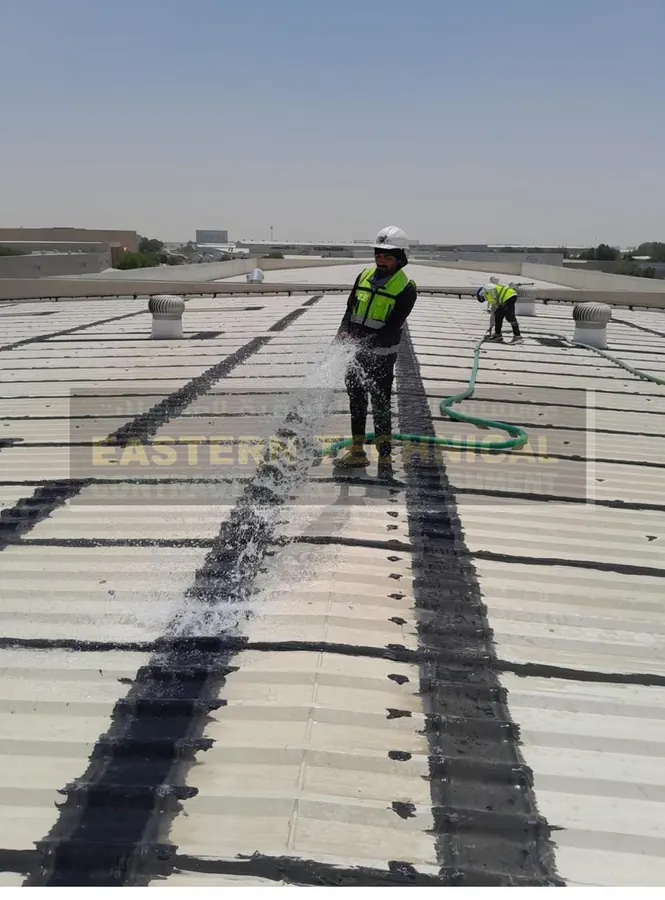
Corrugated sheet roofs are simple, but simplicity does not guarantee long service life. Common failure points include end laps, side laps, punctures around service penetrations, degraded sealants, corroded fasteners, gutter interfaces, skylight joints, and areas where water ponds due to deflection or poor slope control.
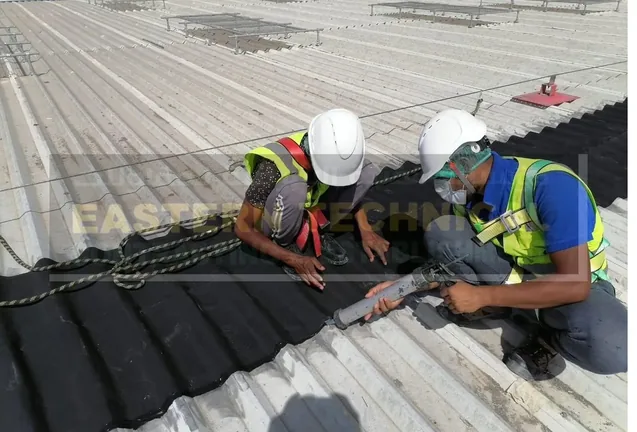
One benefit of corrugated systems is repair accessibility. Localized sheet replacement, fastener replacement, lap resealing, and waterproofing upgrades are generally straightforward. For aging industrial assets, this can make rehabilitation practical instead of forcing full replacement.
Sandwich panel roofs have fewer separate layers, but when leaks develop, diagnosis can be more sensitive. Water can track through joints, around penetrations, or along damaged panel interfaces. If the insulated core is compromised, repair planning must consider not only weatherproofing but also the integrity of the panel itself.
From a maintenance contractor's perspective, neither system should be judged only by whether it leaks. The more useful question is how it leaks, how early the warning signs appear, and how repairable the assembly remains after years of thermal movement and site modifications.
Structural and operational considerations
Roof selection should also reflect what happens on the roof after handover. Industrial buildings rarely stay untouched. New duct openings, cable supports, exhaust penetrations, solar interfaces, signage supports, and maintenance foot traffic all create risk.
Corrugated roofs are more vulnerable to poor aftermarket modifications because every new penetration can become a leak point if flashing work is weak. Sandwich panels also require careful detailing at penetrations, but the assembly demands more discipline because cutting and sealing must preserve both weather tightness and insulation continuity.
Access loads matter too. If maintenance teams regularly walk the roof without proper load distribution or walkway planning, damage can occur on either system. The issue is not just panel strength. It is the quality of support, spacing, and long-term site behavior.
Which roof is better for warehouses and factories?
There is no universal winner in sandwich panel vs corrugated sheet roofing because the correct choice depends on the building's performance target.
If the goal is basic external cover for a low-sensitivity structure with limited occupancy and controlled budget, corrugated sheet roofing can be the right fit. It remains a practical choice for utility buildings, simple storage sheds, and projects where future retrofit work is already expected.
If the goal is better thermal control, reduced heat gain, improved internal working conditions, and a more complete envelope system, sandwich panels usually justify the higher initial cost. They are often the stronger option for active industrial buildings where roof performance affects operations, energy use, and maintenance burden.
For older facilities, replacement is not always the first answer. Many roofs fail because of detailing issues rather than total system collapse. A technical inspection can identify whether the roof needs targeted waterproofing, joint treatment, fastener replacement, penetration upgrades, sheet rehabilitation, or full system change. That step matters more than assumptions.
ETCE KSA sees this often on operating industrial sites where owners are told to replace everything, when the actual requirement is a focused repair and waterproofing scope around the real failure points.
Before choosing a system, look at the building's heat exposure, internal process conditions, age, corrosion level, leak history, maintenance access, and future modification plans. A roof is not just cladding. It is part of the building's operating system, and the right decision is usually the one that solves next year's problems before they start.
Related ETCE services
Need this checked on your own roof?
ETCE carries out industrial roof inspections, leak diagnosis, metal roof rehabilitation and EPDM waterproofing across Dammam, Al Khobar, Dhahran, Jubail, Riyadh and Jeddah.
Request a Roof Inspection WhatsApp UsMetal roof waterproofing across Saudi Arabia
ETCE is a metal roof waterproofing company in Saudi Arabia with its head office in Dammam. See our warehouse & factory roof waterproofing service or find your area: