A leak above a warehouse bay is rarely just a leak. Water can reach insulation, electrical routes, stock areas, steel members, and suspended ceilings long before it becomes visible inside the facility. For commercial property teams, waterproofing experts in Dubai are needed not simply to apply a coating, but to identify the route of water entry and install a repair system that will continue performing through extreme heat, dust, UV exposure, and seasonal rain.
For factories, warehouses, sheds, storage facilities, and large commercial roofs, quick patchwork often creates repeat callouts. The right approach starts with inspection, moves through surface preparation and system selection, and ends with clear testing and after-sales support.
Why Roof Leaks Need a Technical Response
A wet ceiling stain may sit several meters away from the actual defect. Water travels along roof slopes, insulation layers, fastener lines, joints, and structural members. Treating only the visible stain or applying sealant to the nearest crack may reduce the symptom for a short period, but it does not resolve the cause.
The most common sources of water ingress on industrial and commercial roofs are aging membrane laps, failed screw sealing, open flashings, deteriorated gutters, corroded metal sheets, poorly sealed pipe penetrations, skylight edges, and movement at roof-to-wall junctions. Each failure point requires a different preparation method and repair detail.
Heat makes the diagnosis more demanding. Roof materials expand during the day and contract after sunset. A rigid repair over a moving joint can split. Ponding water can expose weak drainage design. Dust and surface contamination can prevent new materials from bonding as intended. This is why a site team must assess the roof as a complete system, not as a collection of isolated holes.
What Waterproofing Experts in Dubai Should Inspect
A professional inspection should produce more than a quote based on roof area. It should establish where the water is entering, what condition the substrate is in, and whether the roof can accept a localized repair or requires wider rehabilitation.
Roof condition and surface preparation
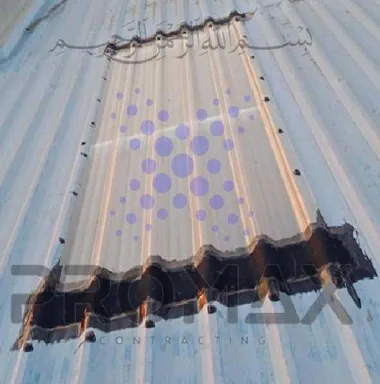
On metal roofs, the inspection should check for rusted panels, loose fasteners, failed washers, damaged overlap joints, and corrosion around cut edges. On concrete roofs, the team should identify cracks, surface debonding, standing water, weak screed areas, and failed joints. Any membrane or coating is only as reliable as the surface beneath it.
Preparation can include pressure cleaning, mechanical removal of rust, replacement of deteriorated metal sections, screw treatment, crack repair, and priming. Skipping this stage may make the project look faster and less expensive at first, but it usually shortens service life.
Drainage, gutters, and water paths
A roof does not need a visible hole to leak. Blocked outlets, undersized gutters, poor falls, and damaged downpipes can force water into laps, wall flashings, or low points that were never designed to hold water for extended periods.
The inspection should follow the actual water path from the roof surface to the discharge point. Gutter replacement, outlet corrections, and localized drainage improvements can be as important as the membrane work itself. A good repair system protects the roof while helping water leave it quickly.
Detail areas and penetrations
Most repeat failures occur at transitions. Pipe penetrations, curbs, skylights, expansion joints, parapet walls, roof edges, and service openings require shaped, reinforced details rather than a flat layer of material. These areas move differently from the main roof surface and are frequently exposed to concentrated water flow.
An experienced contractor will document these details before installation and explain where reinforcement, flashing treatment, or fabricated components are required. This is particularly valuable on operating facilities where new equipment, ducts, or cable routes may have changed the roof after its original construction.
Selecting the Right Waterproofing System
There is no single waterproofing material that suits every roof. The right system depends on substrate type, roof geometry, level of movement, drainage condition, exposure, access requirements, and expected maintenance plan. A coating may be suitable for a stable, well-prepared surface with minor defects. A membrane system may be the better choice where wide coverage, joint performance, and long-term flexibility are required.
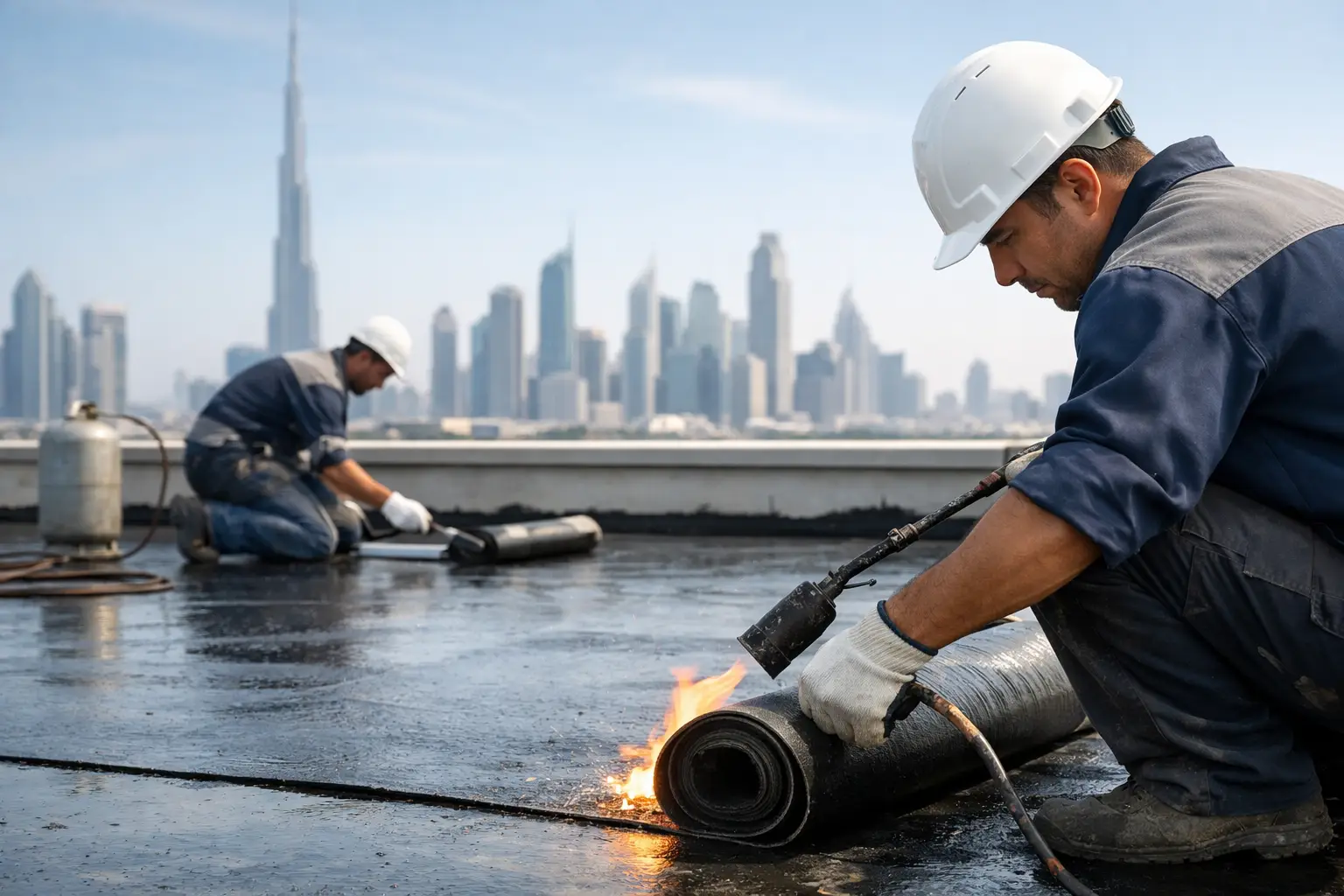
EPDM-based waterproofing systems are often selected for large roof areas because they provide durable coverage and accommodate thermal movement. Their performance, however, depends on proper jointing, edge termination, substrate preparation, and treatment of penetrations. Installing a quality membrane over active corrosion or failed drainage only hides the underlying issue.
Metal roof rehabilitation often combines several scopes: rust treatment, replacement of weak sheets or purlins where needed, fastener sealing, joint treatment, membrane application, and flashing upgrades. Concrete roof treatment may require crack repair, screed correction, primer, reinforced detailing, and a compatible waterproofing layer. The scope should follow the building condition, not a standard package.
Cost should also be considered in terms of disruption and repeat maintenance. A low-cost spot repair can make sense for a newly identified, isolated defect on an otherwise sound roof. It is less suitable when leaks appear in multiple locations, corrosion is spreading, or the roof has reached the end of its serviceable condition. In those cases, targeted rehabilitation can be more cost-effective than repeated emergency work.
Execution Matters as Much as Material Choice
Even a specified system can fail when installation is rushed. Moisture on the substrate, inadequate cleaning, incorrect overlap treatment, poor adhesion at edges, and insufficient curing time can all reduce waterproofing performance. Facility managers should expect the contractor to control these conditions rather than work around them.
For active sites, execution planning is equally important. Work may need to be phased around loading areas, production schedules, tenant access, or protected stock. Material storage, access routes, safety arrangements, and weather monitoring should be organized before the crew reaches the roof. This reduces disruption and protects the quality of the installation.
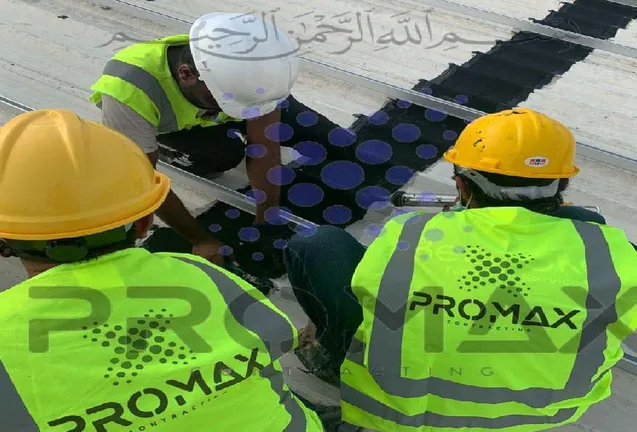
Promax Contracting approaches roof rehabilitation as an end-to-end field scope, including inspection, engineering support, fabrication where required, installation, and responsive follow-up. This integrated method is useful when a project involves more than a membrane, such as deteriorated gutters, corroded roof components, damaged skylight perimeters, or recurring leakage at fabricated details.
Questions to Ask Before Appointing a Contractor
The contractor should be able to explain the cause of leakage in plain terms and support the recommendation with site findings. Ask whether the proposed solution addresses drainage, corrosion, penetrations, and edge details, rather than only the visible damaged area. Also ask what surface preparation is included, how the work will be tested, and what maintenance is recommended after handover.
It is reasonable to request a defined scope showing repair areas, replacement items, membrane coverage, joint treatment, and exclusions. This helps prevent misunderstandings between localized repair work and full roof rehabilitation. For larger facilities, phased works may be preferable, but each phase should tie into the next without leaving weak transition points.
A contractor's response time matters when water is already affecting operations, but speed should not mean applying a temporary fix without diagnosing the problem. The best emergency response controls immediate water entry, then returns with a durable corrective scope once the roof condition has been assessed properly.
Protect the Roof Before the Next Failure
Waterproofing is not a one-time event. Roofs should be inspected before the rainy season and after major weather events, especially where there are old gutters, aging fasteners, exposed metal, or previous repair patches. Small defects found early are easier to isolate before they spread into insulation, structural corrosion, or internal damage.
For property teams managing high-value operations, the practical goal is simple: keep water outside, keep drainage moving, and correct deterioration before it turns into downtime. A thorough inspection and a system matched to the roof's actual condition will do more for asset life than another short-term sealant repair.
Related ETCE services
Need this checked on your own roof?
ETCE carries out industrial roof inspections, leak diagnosis, metal roof rehabilitation and EPDM waterproofing across Dammam, Al Khobar, Dhahran, Jubail, Riyadh and Jeddah.
Request a Roof Inspection WhatsApp Us