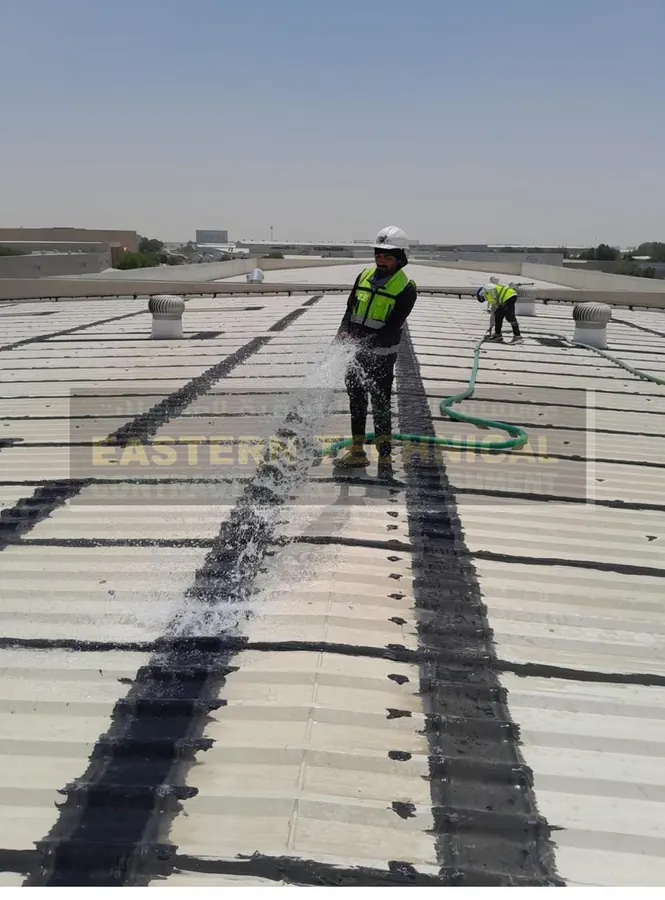
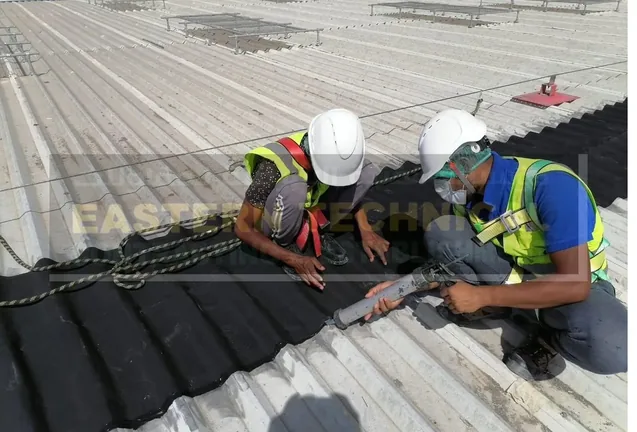
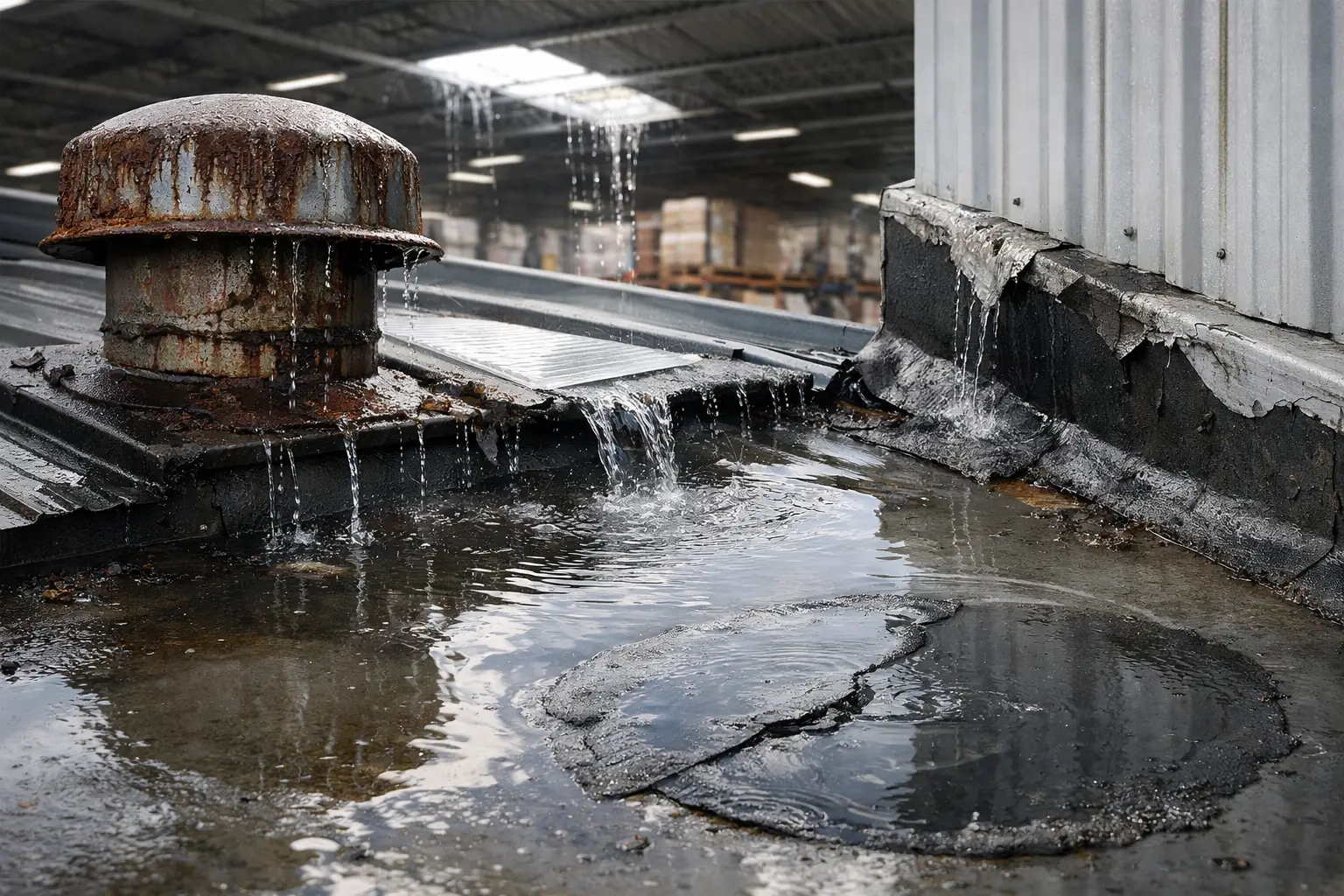
A wet patch on a warehouse ceiling rarely identifies the actual entry point. Water can travel along purlins, insulation, roof-sheet laps, and internal framing before it becomes visible over stock, equipment, or work areas. Understanding what causes warehouse roof leaks means looking beyond the stain and examining the full roof system – sheets, fasteners, penetrations, gutters, drainage routes, and structural movement.
For industrial facilities, a leak is more than a maintenance nuisance. Repeated moisture can corrode metal roof components, saturate insulation, damage stored materials, interrupt operations, and create electrical or safety risks. The right repair begins with a site-specific diagnosis, not a generic patch over the visible symptom.
What Causes Warehouse Roof Leaks Most Often?
Most warehouse roof leaks develop at connection points rather than in the middle of an intact roof sheet. Metal roofs expand under high daytime temperatures and contract after sunset. Over years of exposure to UV, heat, dust, wind, occasional heavy rain, and coastal moisture in some Saudi Arabian locations, small weaknesses become active water paths.
The following failure points deserve close attention during any warehouse roof inspection.
1. Deteriorated or Loose Fasteners
Fasteners are among the most common causes of leakage in corrugated sheets, single-skin metal roofs, and sandwich panel systems. Each screw creates a penetration through the roof sheet. Its washer must remain compressed and flexible enough to seal around the fastener.
Heat cycling can loosen screws, while UV exposure hardens or cracks rubber washers. Corrosion can also enlarge the hole around a fastener, particularly where moisture remains trapped under the washer. A loose screw may look minor from ground level, but hundreds of weakened fasteners can allow substantial water entry during a rain event.
Replacing individual screws can work where failure is isolated. On an aging roof with widespread washer breakdown, however, a systematic fastener inspection and sealing program is usually more reliable than repeated spot repairs.
2. Open Sheet Laps and Failed Side Seals
Metal roof sheets overlap at side laps and end laps. These joints are expected to move slightly as the roof heats and cools, but the sealant or butyl tape inside the lap can lose adhesion over time. Wind-driven rain can then enter at the overlap and travel underneath the sheet profile.
Poor original installation is often part of the problem. Inadequate overlap length, missing stitch screws, uneven sheet alignment, or sealant applied to a dusty surface can create failures long before the sheets themselves reach the end of their service life.
A proper repair must assess the condition of the full lap. Applying surface sealant along one visible edge may temporarily slow the leak, but it will not reliably correct contaminated or separated seals inside the joint.
3. Rust and Corrosion in Metal Sheets
Corrosion starts where protective coatings have been damaged, where water collects, or where dissimilar metals create an unfavorable reaction. Small rust spots can progress into pinholes, especially around cut edges, fasteners, valleys, and areas beneath standing water.
Warehouse owners sometimes focus only on visible holes. The wider concern is loss of sheet thickness and structural integrity. If corrosion has spread across a roof area, isolated patching may only delay a larger rehabilitation requirement.
The repair approach depends on the severity. Surface corrosion may be cleaned, treated, and protected with a compatible waterproofing system. Perforated sheets, severely thinned metal, or corroded supporting details may require replacement or engineered overlays before waterproofing is applied.
4. Failed Flashing Around Penetrations
Every roof penetration is a potential leak point. Common examples include HVAC ducting, exhaust stacks, pipe sleeves, cable trays, smoke vents, skylights, roof access hatches, and equipment supports. These details experience movement from temperature change, vibration, and building settlement.
Sealant around a penetration can crack, shrink, or detach from metal surfaces. Rigid patch materials often fail when the roof sheet moves independently from the pipe or duct. This is why penetrations need flexible, properly detailed waterproofing assemblies rather than a simple bead of sealant.
EPDM-based waterproofing is particularly useful at complex penetrations because it can be shaped around irregular geometry while accommodating movement. Correct surface preparation and termination details remain essential. Even a high-quality membrane will fail if it is bonded to loose rust, dust, or unstable substrate.
5. Blocked Gutters, Valley Gutters, and Drain Points
A roof is only as watertight as its drainage system. Leaves, sand, dust, loose fasteners, packaging debris, and deteriorated sealant can block gutters and outlets. When water cannot drain, it ponds against joints, overflow points, and lower roof edges that were not designed for constant submersion.
Valley gutters on large warehouse roofs are especially critical. They collect water from wide roof areas and are frequently affected by corrosion, failed lap joints, cracked sealant, and poor slope. A small blockage can quickly become a major overflow during intense rainfall.
Cleaning a gutter is necessary, but it is not always the complete fix. The inspection should verify fall toward the outlet, gutter lining condition, seams, expansion joints, support brackets, and the condition of downpipes. Recurrent ponding is a design or maintenance issue that needs correction at the source.
6. Damaged Skylights and Smoke Vent Details
Skylights and smoke vents interrupt the continuity of the roof. Their frames, curbs, screws, gaskets, and surrounding flashings are exposed to intense sunlight and frequent thermal movement. Brittle translucent panels, cracked curb seals, and degraded perimeter flashings can all allow water into the building.
These areas require careful repair because excessive foot traffic can damage aging skylight panels and create a fall hazard. The waterproofing detail must also preserve the function of the smoke vent or skylight rather than sealing over moving or operational components.
7. Poor Previous Repairs
Many warehouse leaks become harder to solve because of incompatible earlier repairs. Common examples include thick mastic applied over loose rust, rigid materials used across moving sheet joints, membrane patches with poorly sealed edges, and sealants applied over wet or dusty surfaces.
A patch can be appropriate when it is designed for the roof type and the actual failure mechanism. The problem arises when patching is used repeatedly without identifying why the area is leaking. Layers of temporary material can trap water, conceal corrosion, and make future repairs more difficult.
8. Roof Movement and Structural Deflection
Long-span industrial roofs move. Thermal expansion, wind uplift, vibration from equipment, and minor structural deflection all place stress on sheets, laps, flashings, and penetrations. If a repair system is too rigid, it may crack as the roof moves.
Movement-related leaks often recur in the same line or around the same detail after every repair attempt. This is a strong indication that the repair material or detailing method is not compatible with the roof's movement. Flexible waterproofing systems and correctly placed expansion details can provide a more durable answer.
9. Condensation Mistaken for a Roof Leak
Not every drip below a metal roof is rainwater intrusion. Condensation can form when warm, humid air meets a cooler roof surface, particularly in buildings with poor ventilation, damaged insulation, or operations that generate moisture. It may appear across broad areas rather than following a single penetration or joint line.
The distinction matters. Sealing the roof will not resolve condensation caused by internal humidity or insulation failure. A competent inspection should compare the timing of the issue with rainfall, examine insulation and vapor-control layers, and identify whether the moisture originates above or below the roof sheet.
Why Leak Location Is Often Misleading
Water follows the path of least resistance. It can enter near a ridge, travel along a roof sheet overlap, move beside a purlin, and drip several meters away inside the warehouse. For that reason, inspecting only the area directly above an internal stain can lead to an incorrect repair.
A practical investigation follows water from the roof's highest potential entry points down through drainage paths and structural connections. It should include close inspection of fasteners, laps, penetrations, gutters, sheet condition, and previous repair areas. Where appropriate, controlled water testing can help confirm difficult leak paths without waiting for the next storm.
Choosing Repair, Rehabilitation, or Replacement
The correct scope depends on roof condition, not only the number of visible leaks. A newer roof with isolated fastener failures may need targeted repair and preventive maintenance. A roof with widespread corrosion, repeated lap failures, aging gutters, and multiple patched penetrations may be a better candidate for broader rehabilitation.
This is where an engineered waterproofing approach delivers value. ETCE KSA evaluates difficult metal roof leak points, gutters, penetrations, skylights, smoke vents, and drain areas as connected parts of one system. The objective is to stop water entry while protecting the roof against continued UV exposure, movement, and corrosion.
Preventing the Next Warehouse Roof Leak
Planned inspections are far less disruptive than emergency repairs after water reaches operations. Inspect roofs before the rainy season and after major weather events, while also scheduling routine checks for gutters, drains, fasteners, corrosion, and penetration seals. Keep records of repaired areas so recurring failures can be identified early.
The most durable results come from treating a warehouse roof as an active industrial asset, not a surface to patch when water appears. A detailed inspection today can prevent a small failed washer, cracked flashing, or blocked drain from becoming downtime, material damage, and a much larger repair tomorrow.
Related ETCE services
Need this checked on your own roof?
ETCE carries out industrial roof inspections, leak diagnosis, metal roof rehabilitation and EPDM waterproofing across Dammam, Al Khobar, Dhahran, Jubail, Riyadh and Jeddah.
Request a Roof Inspection WhatsApp UsMetal roof waterproofing across Saudi Arabia
ETCE is a metal roof waterproofing company in Saudi Arabia with its head office in Dammam. See our warehouse & factory roof waterproofing service or find your area: